Finding the right pink undertone for your foundation is not always straightforward, especially with beauty aisles stacked with so many shades, undertones, and finishes.
If you’ve ever put on foundation and thought it looked chalky, too orange, or just a bit off, there’s a good chance the undertone was behind the mismatch.
Here, I’ll break down everything you need to know about choosing the perfect pink undertone foundation for your skin. That way, your base actually looks like your skin—just a bit better, more even and natural.
Why Pink Undertones Matter in Foundation
Learning about undertones makes buying foundation so much easier. Your skin’s depth, often called skin tone—like fair, medium, tan, or deep—gets a lot of attention. But undertone is the color beneath your skin’s surface, and it is crucial for foundation matching. That almost-invisible hue can make or break how your foundation looks on your face once it’s blended in.
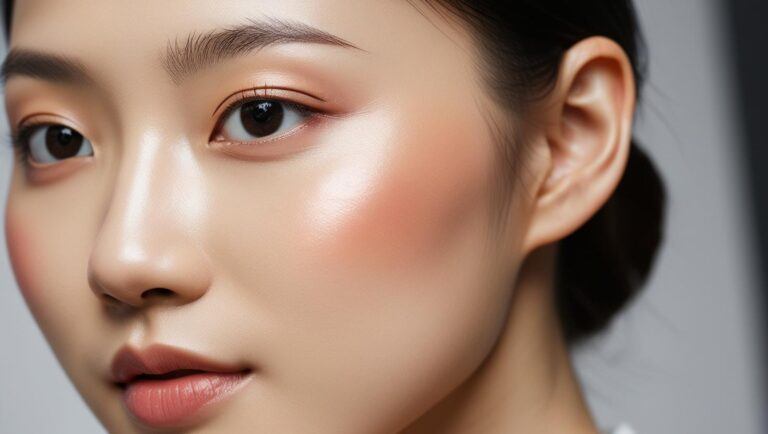
Pink undertones add a subtly rosy look, working best for those with naturally cool coloring or who burn easily in the sun. While pink undertone foundations are popular, not everyone’s skin calls for one. Using a formula that clashes with your skin’s undertone can cause you to look ashy, washed out, or just plain unnatural.
Knowing whether you should be searching for pink undertones is key to getting a foundation that looks seamless and truly matches your natural skin.
How To Figure Out If You Need a Pink Undertone Foundation
If you’re new to sorting out undertones, figuring out whether you need a foundation with pink undertones is often the hardest part. Here are a few tricks I like to use when checking undertones:
Vein Check
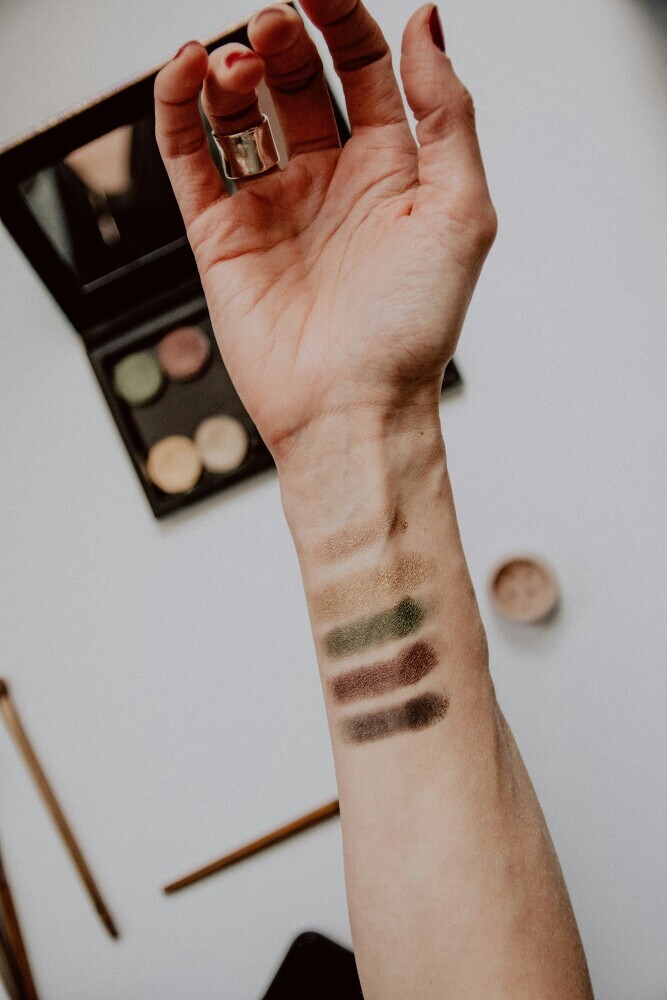
Flip your wrist over. Do your veins look blue or even purple? That’s a sign you have cool undertones, which means a pink undertone foundation could be a great fit. If your veins look more green, you’re likely warm. Somewhere in between? You might be neutral.
Jewelry Test
Notice whether gold or silver jewelry flatters you. Silver tends to pop on cool, pinkish undertones, whereas gold looks better on those with warm, yellow or golden tones.
Sun Reaction
If your skin tends to burn rather than tan, you probably have cooler undertones. If you tan easily, yellow or neutral undertones might suit you better.
Shirt Color Trick
Try on crisp white or a bright pink shirt. If your skin looks glowy and fresh, pink undertones might be the one. If you look a touch dull or washed out, another undertone could be better.
It’s totally normal for undertones to seem a bit in-between or neutral. If nothing feels obvious, a neutral foundation might provide the most natural look for you.
What to Know About Foundation Shades and Undertones
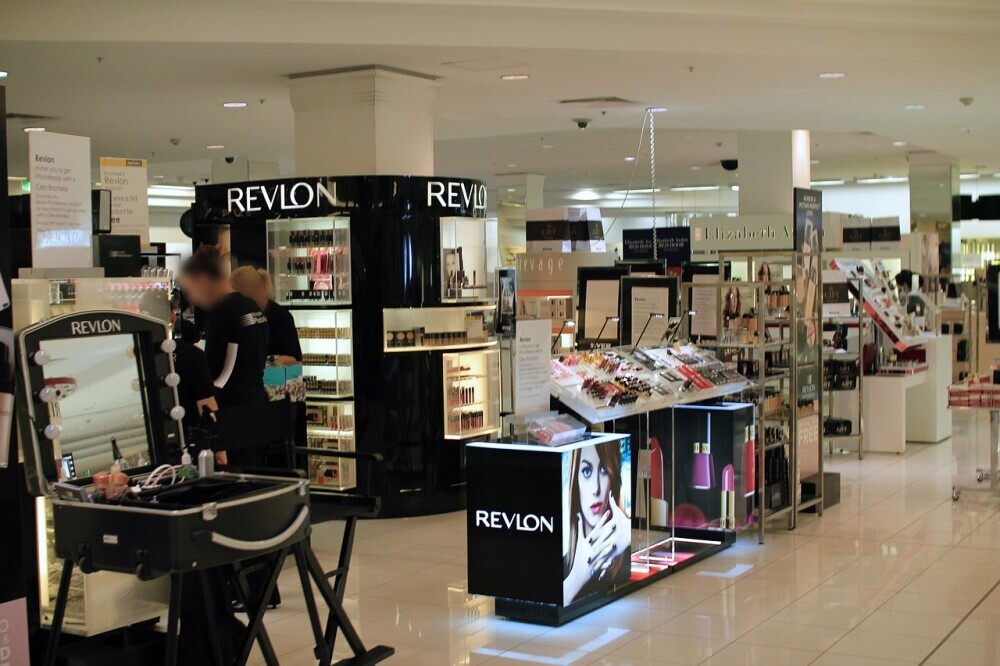
Finding your perfect foundation match comes down to two things: matching your overall skin depth and matching the undertone. Here are a few important points when standing at the beauty counter, whether you’re shopping in-person or browsing online:
Cool, Warm, and Neutral
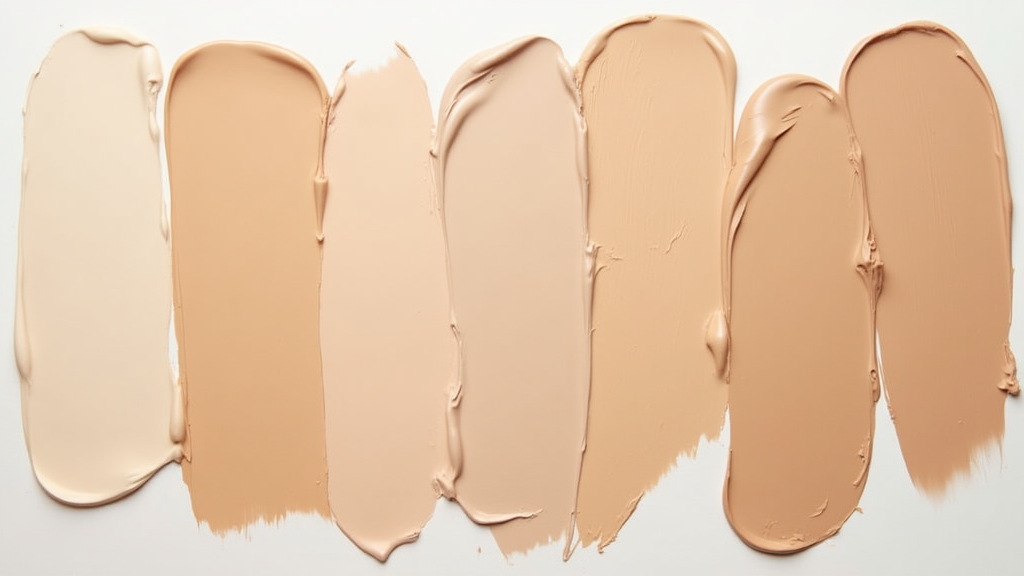
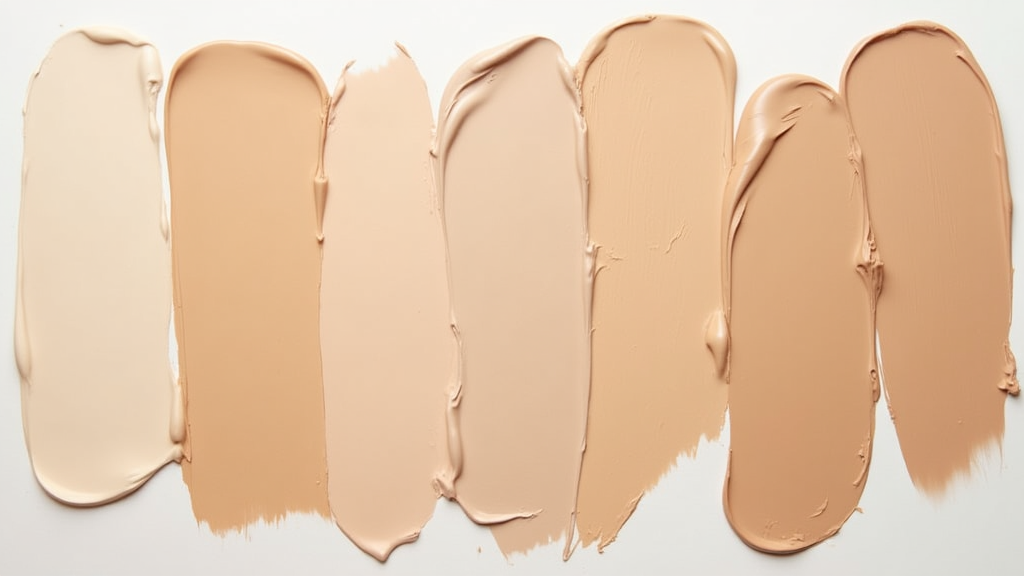
“Cool” means pink, “warm” means yellow or golden, and “neutral” falls between the two. Many brands label foundations by undertone directly on the bottle, or use codes such as P (for pink/cool), W (warm), and N (neutral).
Brand Discrepancies
Undertones can vary a lot from brand to brand. One brand’s pink can be another’s peachy or faint rose. Check online swatches, reviews, or physically swatch if you can.
Watch for Oxidation
Foundations sometimes turn darker or warmer as they dry due to oxidation. It helps to test a sample on your jawline and wait a few minutes to see how the color develops.
Big brands like MAC, Fenty Beauty, and Estée Lauder have wide undertone options, and usually make it clear through product names or online guides how to pick the undertone that works best for you.
Step-by-Step Guide: Choosing the Right Pink Undertone Foundation
Shopping for a pink undertone foundation doesn’t have to be an ordeal. My go-to process makes things simple, even without in-person swatches:
Check Your Undertone: Use the methods above to confirm you need a cool, pink-based formula.
Select Your Shade Depth: Once you know you need a pink undertone, pick the correct skin depth: fair, light, medium, tan, or deep.
Swatch a Few Options: Dab two or three shades that have a pink undertone along your jawline and blend them in. The best match should disappear into your skin with no visible edges.
Look in Natural Light: Tested under store lights, foundation can look off. Always check your swatch in daylight, which gives you the most honest idea of how the match will look.
See How It Wears: Some foundations change throughout the day. Wear your top pick for a few hours and see how your skin looks before committing to a full bottle.
This method helps you track down a shade that blends in, not stands out. Lots of beauty retailers, including Sephora and Ulta, now offer color-matching tools and returnable samples to make experimentation much easier.
Common Mistakes When Picking Pink Undertone Foundations
There are a few snags that people hit when looking for a foundation with pink undertones. Here’s what I keep an eye out for:
Going Overboard on Pink: Even cool-toned skin can look odd if you pick a shade that’s too rosy. Stick to soft, subtle pinks and avoid foundations that look fuchsia or overly bright in the packaging.
Relying on Names Alone: Names like “Rose,” “Ivory,” or “Porcelain” sound promising but are not consistent brand-to-brand. Swatch testing is always more trustworthy than picking by name.
Forgetting Skincare: Very dry or oily skin can change how foundation looks. Start with hydrated, well-prepped skin—this ensures the undertone won’t turn ashy or strange.
Not Blending Properly: Always blend your foundation into the neck and chest. The perfect undertone can still look unnatural if there’s a visible line at your jaw.
Tips for Shopping
Stick with Your Fave Brands: If you already trust a brand, look up their undertone selection. Many offer simple charts or digital quizzes to help you decide.
Use Tech Tools: App-based matching and virtual try-ons, such as Sephora’s, let you see undertones on your face from your phone. While not 100% accurate, it’s a solid way to try before you buy.
Check Reviews and Swatch Videos: Influencers break down undertones and show swatches on different skin tones so you can make a more informed choice.
Always Ask for Samples: In stores, associates usually have testers—take some home to test under real lighting with your own skincare.
Shopping from home? Check out brands with generous return policies so you can try shades risk free.
Who Benefits Most From Pink Undertone Foundations?
Cool or Rosy Skin: People with visible pink, red, or blue hues—classic “English Rose” complexions—see big benefits from pink undertone formulas. The right pink base balances redness, blends smoothly, and never looks orange or tired.
Brides and Photoshoots: Flash cameras catch undertones. The right foundation keeps you looking natural in every type of light, in person and on camera.
Those with Mild Redness: It may seem backwards, but a subtle pink undertone foundation can blur light redness and make the overall complexion smoother. Too yellow of a formula, by contrast, can make redness stick out more.
Even if you prefer the most subtle coverage, a soft hint of pink can seriously change how your skin glows—especially if you stumble upon your ideal match.
Frequently Asked Questions
New to shopping for foundation? Here are a few common questions (and answers):
How do I figure out if I need a pink undertone foundation? If you burn easily, your veins show as purple or blue, and silver jewelry looks best, pink undertones usually suit you. The real test is always seeing how a few options blend in under daylight.
What about if I’m between pink and yellow? Go for a neutral undertone foundation. These mix a bit of pink and yellow, meant for anyone whose skin isn’t strictly cool or warm. Many brands make this category for just these tricky matches.
Why does my foundation sometimes look gray? Picking the wrong undertone—like pink on olive or warm skin—can create dullness or ashiness. Testing under natural light and blending into your neck or chest can help prevent this problem.
Will a pink undertone foundation help me look brighter? Often, yes! A bit of pink can give tired or flat skin a natural boost. Just don’t overdo it, or it might read as too rosy, especially in photos. Start subtle and build up only if needed.
Final Notes: Making Pink Undertones Work For You
Picking a foundation with the right undertone is about more than following the label. It’s about how your skin looks and feels to you. If a foundation blends so well you forget you’re even wearing it, you’re on the right path. Swatch a few options, check them in different lights, and see how your skin responds. That’s the surefire way to lock in your perfect pink-based foundation.
Standing in front of endless foundation bottles can seem tough, but a bit of knowledge about undertones truly makes a difference. Trust what you see in daylight; don’t be afraid to test and return. Remember, finding your unique match is definitely worth it for smooth, healthy-looking skin, every single day.
Pink is a part of who I am. It fires up my creativity and provides a sense of comfort and familiarity. I’ve dedicated PinkYouToo.com to people like you and me—pink admirers and those searching for inspiration.
Pink makeup is easily one of the most flattering directions for beginners who want a fresh, soft look. It’s super versatile; pink shades look good on all skin tones and…
Pink shows up everywhere the moment a baby girl arrives: from nursery walls and birthday invitations to toys and clothes aisles. This color seems to go hand in hand with…
Many people are curious about ways to get more hydrated and glowing skin, especially when they hear about trendy Korean creams. I’ve checked out a lot of feedback and reviews…
Pink is one of those shades that’s loaded with meaning, and the vibe completely changes depending on whether you’re looking at a neonbright pink jacket or a gentle pastel nursery….

 Flip your wrist over. Do your veins look blue or even purple? That’s a sign you have cool undertones, which means a pink undertone foundation could be a great fit. If your veins look more green, you’re likely warm. Somewhere in between? You might be neutral.