

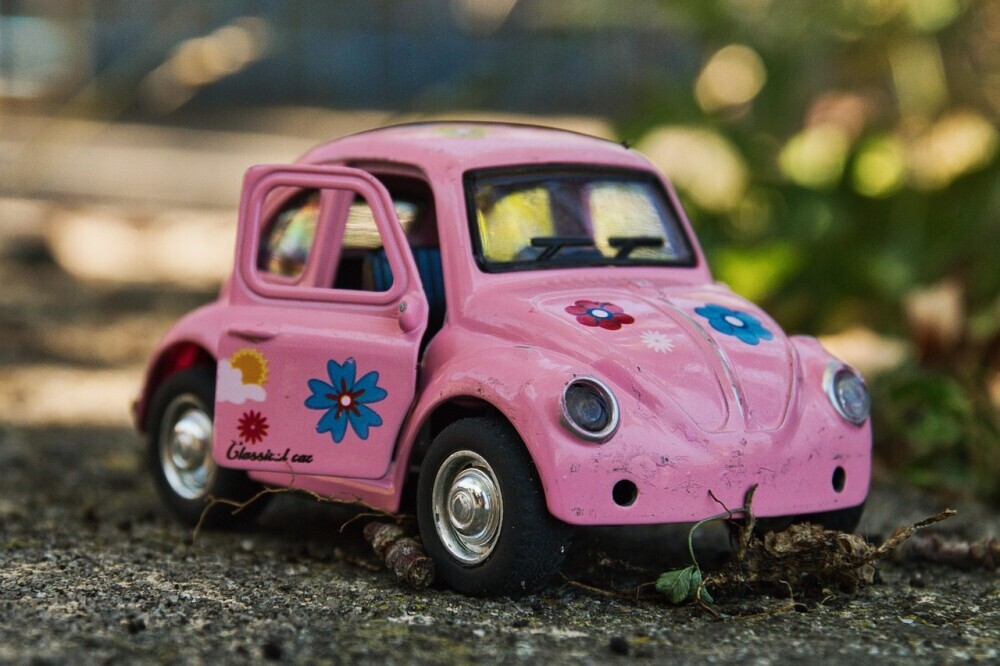
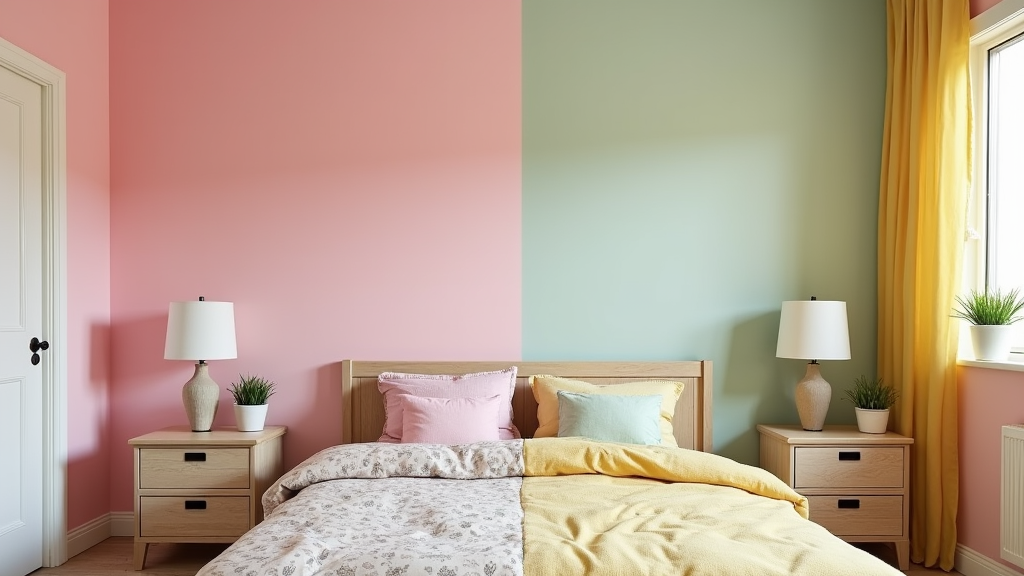
Pink shows up everywhere the moment a baby girl arrives: from nursery walls and birthday invitations to toys and clothes aisles. This color seems to go hand in hand with childhood, especially in the early years. Why does pink get such a big role in how we picture childhood? And do kids, and parents, still see it the same way today?
Packing a diaper bag, picking out a birthday present, or setting up a playroom, pink seems to come up as the easiest color pick for anything “little girl.” Understanding why we link pink with childhood means digging into history, advertising, pop culture, and the way society thinks about growing up. I’m sharing what I know about how pink became the poster color for childhood and how that’s starting to look a little different lately. With trends constantly shifting, understanding pink’s powerful position helps us see how easily colors guide childhood memories.
The Surprising History of Pink and Childhood
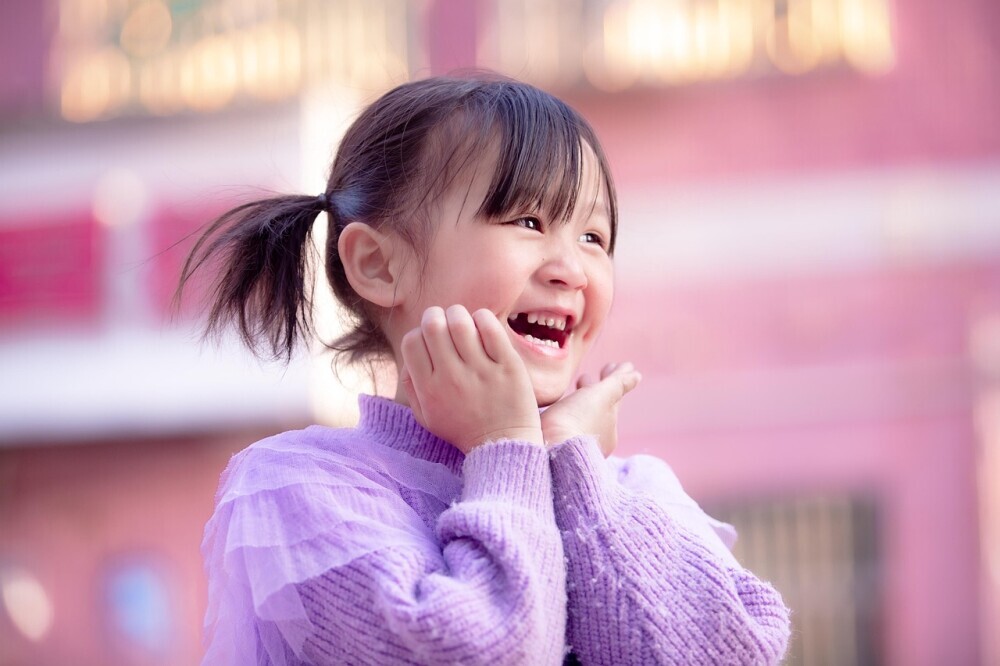
It might feel like pink and childhood have always been a pair, but that’s not how it started. Rewinding to the early 1900s, pink wasn’t automatically seen as a girlsonly color. In fact, up until the mid-20th century, baby clothes didn’t come with such strict colors. Retail ads and parenting guides sometimes even recommended pink for boys, describing it as a stronger, brighter shade, while blue was considered soft and dainty for girls.
It wasn’t until the 1940s and 50s, as department stores and manufacturers pushed the idea of gender-specific products, that pink and blue labeling took off.
Brands realized that selling pink for girls and blue for boys led to families buying twice as much stuff; clever from a marketing angle, but it locked in color-coded childhoods.
Today, that legacy sticks around, although there’s a bit more mixing and matching in modern stores. Stepping back, you notice that much of pink’s current status had less to do with natural preference and a lot more to do with savvy marketing and cultural momentum.
This historical twist is a reminder that our ideas about color and childhood are shaped more by popular trends and business decisions than anything inherent or universal.
Every generation inherits a story about colors, often told by advertisers, and each generation has a chance to write their own.
Media, Cartoons, and Childhood Memories
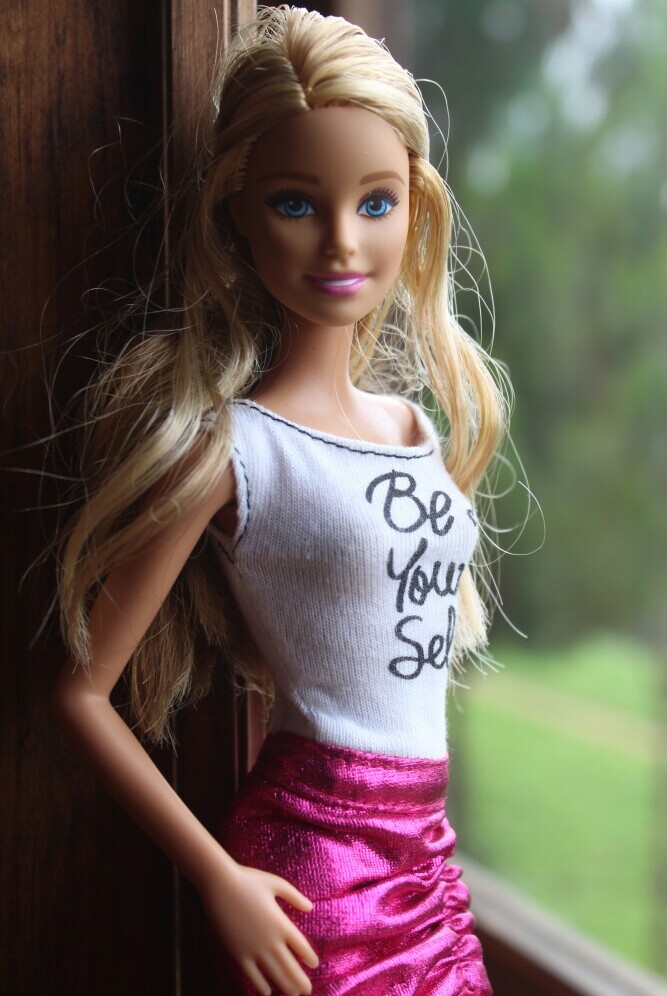
If you grew up watching kids’ cartoons, you probably remember how many shows used pink to signal all things girly or childish. Animation studios from the 1980s and 90s wrapped pink into the branding of everything from Barbie to My Little Pony. The toy aisles followed, with packaging full of pink and glitter to instantly signal, “this is for girls.”
Having grown up surrounded by these cartoons myself, I remember pink being everywhere. Sometimes, it was exciting and fun, but looking back, it was also pretty limiting. Pink quickly became a visual shortcut for girlhood, softness, or sweetness. Meanwhile, other colors were reserved for adventure, action, or “serious” stories.
Media repeated this message across TV, books, and movies, shaping what kids wanted and what parents expected. If you think of childhood as a time of discovery, creativity, and play, it’s pretty wild how much one color could dominate so much space, simply because of a cartoon or a branding decision. It shows the sheer reach that media and branding have in shaping the environments we grow up in, often setting the stage long before kids get to choose their own favorites.
Toys, Clothing, and the Power of Marketing
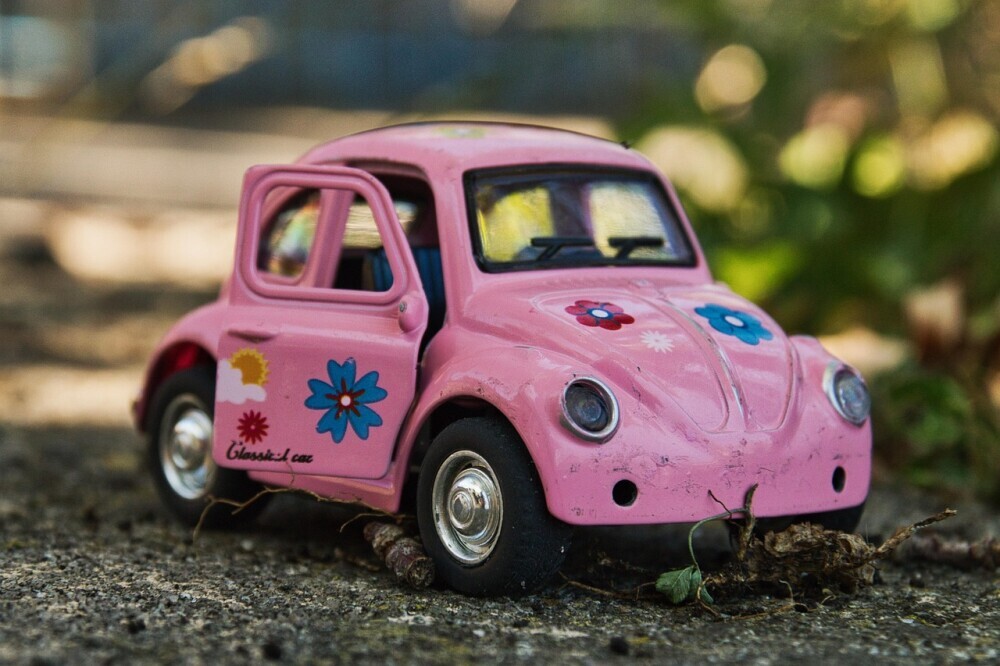
Walk into any major toy store, and you’ll still see sections overflowing with pink: dolls, kitchen sets, building blocks, and more. This isn’t by accident. Toy makers realized early on that assigning colors to different types of play and different genders helped them create markets for specific products. When pink is everywhere in baby and toddler toys, it quickly gets tied to early childhood itself.
Clothes and Accessories
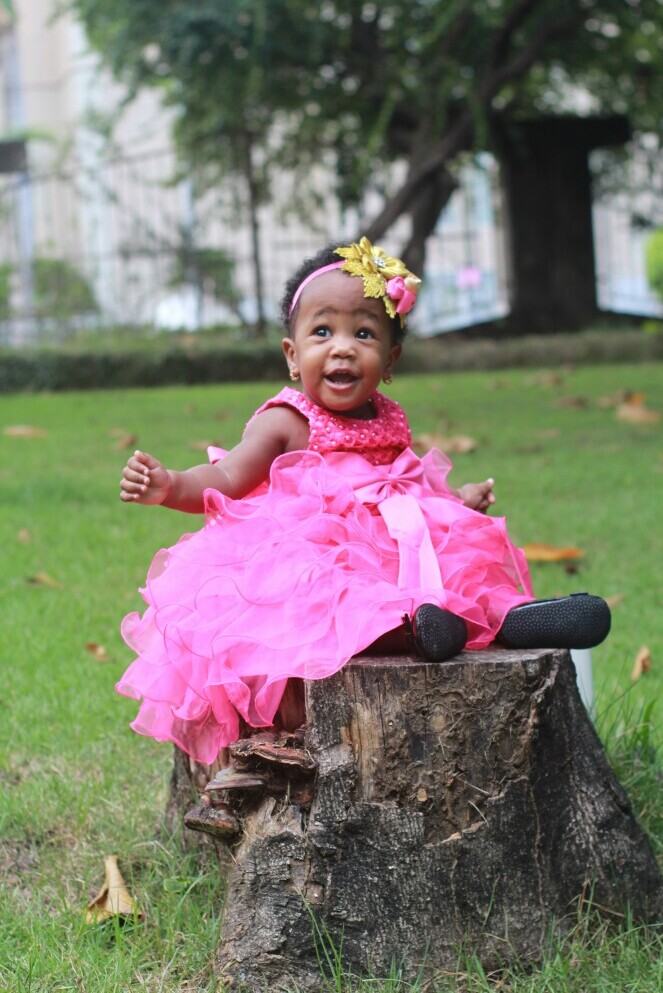
Pink baby onesies, shoes, and hair bows often end up as first gifts. The tradition of “pink for girls” at baby showers is still strong in many cultures. This early exposure locks in a color code that kids often stick with, at least when they’re small. It can even shape which toys kids pick up or how comfortable they feel in certain spaces.
For many families, pink clothes connect generations—think about baby pictures from decades ago, compared to now. These color traditions, often passed down unintentionally, can influence memories and favorite color choices well into elementary years.
The Parent Effect
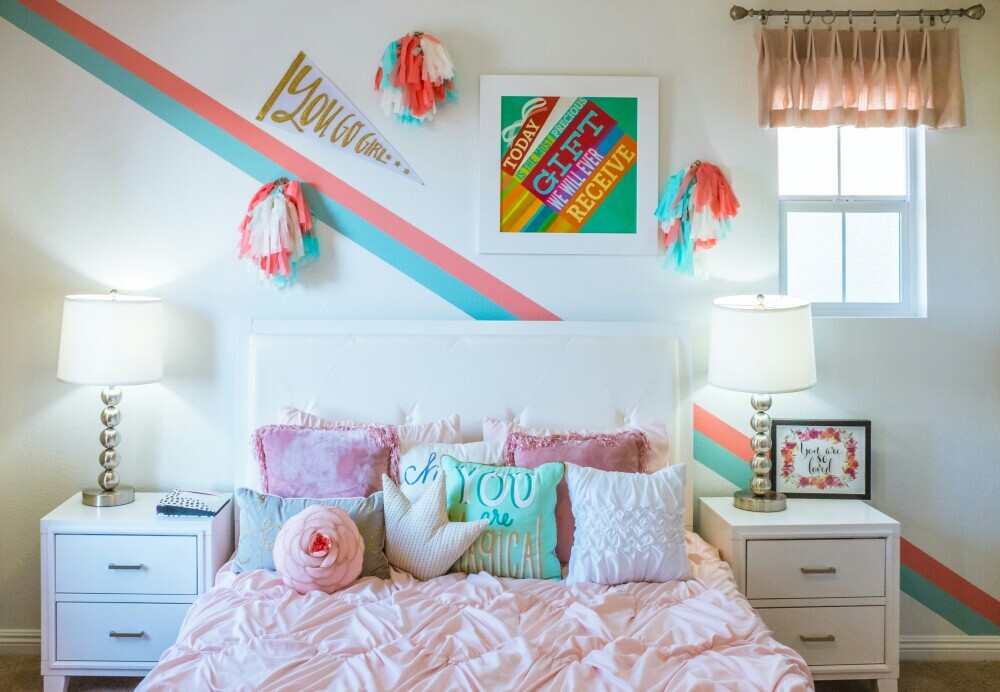
Parents play a big role in this too, whether it’s picking out nursery paint or just reaching for the nearest pink toy at the store. When I’ve shopped for gifts for kids myself, it’s nearly impossible not to end up in the pink aisle, simply because that’s where the “baby girl” stuff is. Even if parents have no strong feelings about color, store layouts and marketing do the nudging for them. Their choices, sometimes small and sometimes big, shape kids’ experiences with color almost from the start.
The Psychology of Pink: Comfort, Innocence, and Softness
Color psychology plays into why pink feels so tied to childhood. Pink is generally seen as calming, gentle, and comforting—qualities that fit nicely with how people like to picture young kids. For many, pink signals softness, innocence, and simplicity. This makes it easy for brands to run with the idea that pink is the right choice for new babies and little ones.
Over time, kids learn these associations from what they see around them. When so many of their early experiences come wrapped in pink, the color becomes linked to safety and positive feelings. It’s a bit of a self-fulfilling cycle: pink feels like childhood because it’s always used to represent it, and it keeps getting used because it already feels familiar.
Some studies also show pink can help lighten up stressful environments, adding another reason why parents and brands reach for it. The comfort of pink thickens its ties to “child” spaces like nurseries, daycare centers, or even some doctor’s offices.
Is PinkFocused Childhood Changing?
While pink is still big, there’s definitely been a switch up lately. More parents, brands, and even kids themselves are calling out the old pink/blue division and pushing for more color options. You’ll find more genderneutral nurseries, toy aisles with every shade under the sun, and brands stepping back from strict color-coding. Parents tell me that these days, kids are just as likely to want green, purple, or even a wild rainbow mix for their birthday parties and bedrooms.
Part of this switch comes from a growing desire to toss out stereotypes and let kids express themselves any way they want. With the internet offering inspiration from all corners, a new world of color is available for everyone—no longer limited to specific sides of the store.
Breaking the Mold
- Brands like Target and IKEA now offer nursery decor that skips strictly gendered colors.
- Many toy companies are designing packaging and ads that use a mix of colors, or even leave out pink altogether.
- Online communities are full of ideas for nonpink baby showers and nurseries, offering up themes with earth tones, brights, or even deep blues and greens for everyone.
This move toward variety gives kids space to pick what they actually like, not just what’s expected. It’s also a great sign for helping every kid feel welcome, no matter what colors catch their eye.
Parents and kids today are more willing to mix in some variety, welcoming all sorts of color combinations for toys, clothes, and room decor. This new era for colors means more choices and fewer rules—a positive change for creativity.
Takeaways: Why Pink Paints Childhood

Pink’s connection to childhood comes from a mix of history, marketing, and social habits, not from anything kids are born with. The color’s friendly, soft feeling makes it a go-to for early years, helped along by decades of cartoon branding and toy design. Parents and brands have both reinforced pink as the “default” for little girls, even as plenty of kids are happy to play, paint, and explore with every color in the box.
Still, the trend is switching up: color choices for kids are opening up, making space for more creativity and less pressure to pick pink or avoid it. Whether you love pink or go for brighter rainbows, the best part is having options. Childhood deserves all the colors it can get. Growth and change can start with something as simple as adding extra crayons to the box, letting every kid choose their favorite shade. The ride from all-pink to all-in-one embraces a new vision of what childhood can look like—one that’s bright, inclusive, and uniquely personal.
Leave a Reply