Introduction To Pink Makeup Shades For First-timers
Pink makeup is easily one of the most flattering directions for beginners who want a fresh, soft look. It’s super versatile; pink shades look good on all skin tones and ages, plus you don’t need to be a makeup expert to pull it off. Whether you want a subtle wash of color or something a bit bolder, there’s a pink for every mood and style. This guide sorts out the basics, clears up common questions, and helps you start experimenting without feeling lost in the blush aisle.
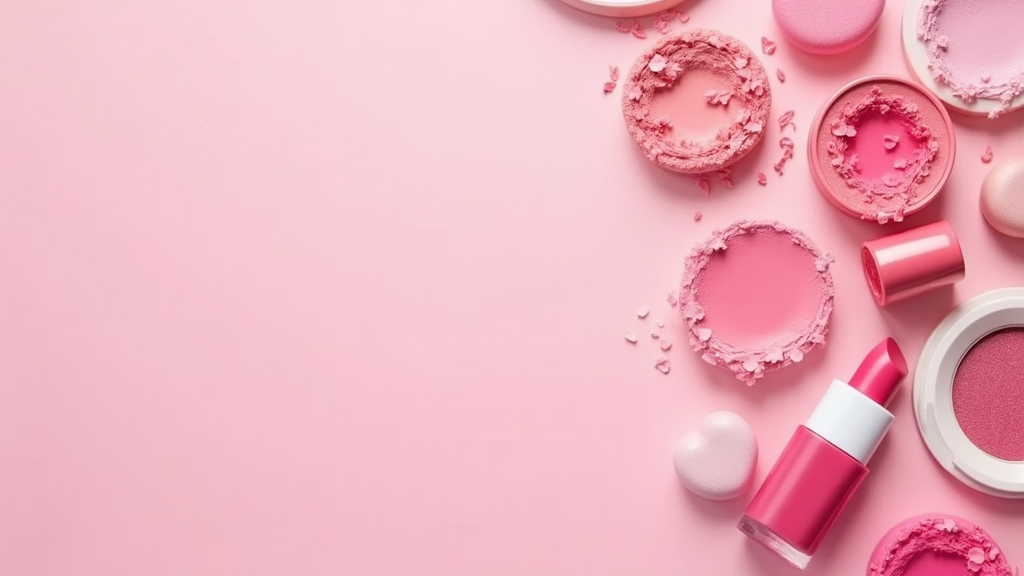
Why Pink Makeup Makes a Great First Step
Pink shades are basically foolproof for beginners. They’re soft, blend easily, and usually look flattering even if you skip a few steps or need to fix a smudge. That forgiving nature is great if you’re just starting out or want something that won’t look too harsh even if your technique isn’t perfect yet.
Plenty of brands offer pink hues in their beginnerfriendly palettes, so finding options within any budget is simple. Trends move fast in beauty, but pink always sticks around because it’s classic and easy to adapt. Whether you’re at the drugstore or a department store, pink products are always on hand for a reason.
Pink Makeup: The Basics
When people talk about pink makeup, they’re usually covering three areas: eyes, cheeks, and lips. Each category offers unique types of pink, so knowing what you’re looking at will point you in the right direction before you shop or start swatching. Here’s a straightforward breakdown:
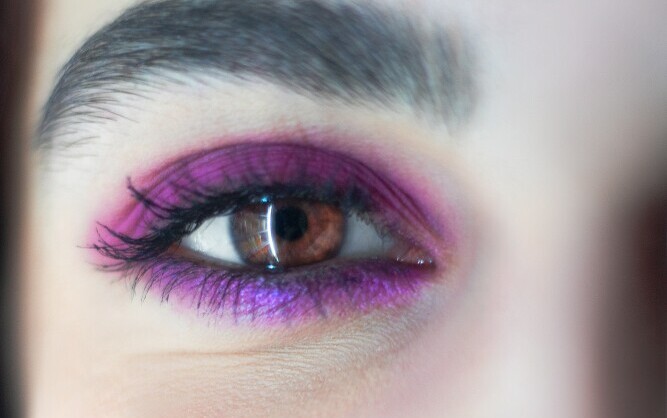
- Eyes: Soft pastel pinks, rose golds, mauves, and bolder magentas are all pinks for eyeshadow. Sheer pinks make great transition shades, while shimmery or fuchsia tones can stand out as main colors.
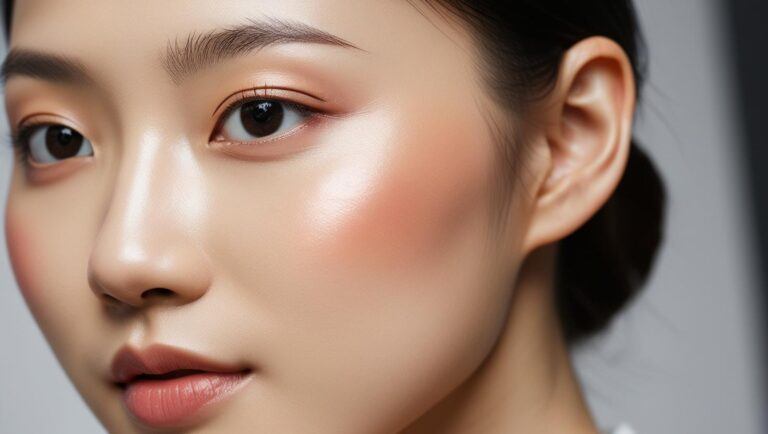
- Cheeks: Blush is often our first introduction to pink. From dusty rose to bubblegum to peachypink, these shades give your face a fresh, natural look.
- Lips: Pink lip colors are the widest category. Sheer pink gloss, matte fuchsia, and traditional rosy lipsticks are all popular, along with balms and tints for a soft day look.
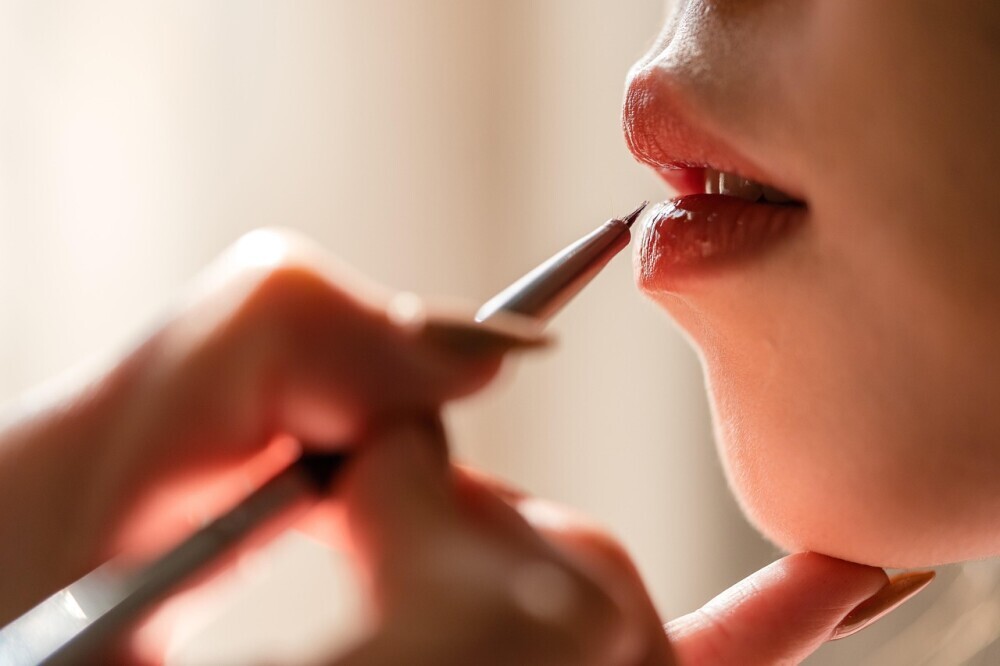
What Pink Shades Mean (and How to Pick Yours)
Pinks come in a huge variety: cool bluebased, warm coral-leaning, almost nudes, and super bright. Picking the right pink isn’t complicated, but a few tips make it simpler:
- Fair Skin: Lighter pinks like baby pink, soft rose, and pale peach work well for cheeks and lips. Light pink shadow gives an airy, wellrested look.
- Medium Skin: Dusty rose, mauve, and vivid bubblegum pop nicely on medium skin tones. Slightly deeper pink blushes add warmth without making you look washed out.
- MediumDeep or Deep Skin: Rich berry pinks, magenta, and fuchsia are striking and look natural on deeper skin. Warm or redbased pinks give a healthy flush as blush or on the lips.
If you’re ever unsure, swatch on your wrist or dab a little tester on your cheek and check in different lighting. Most people can wear more pinks than they think. In the end, it’s just about what feels good to you and matches your personality.
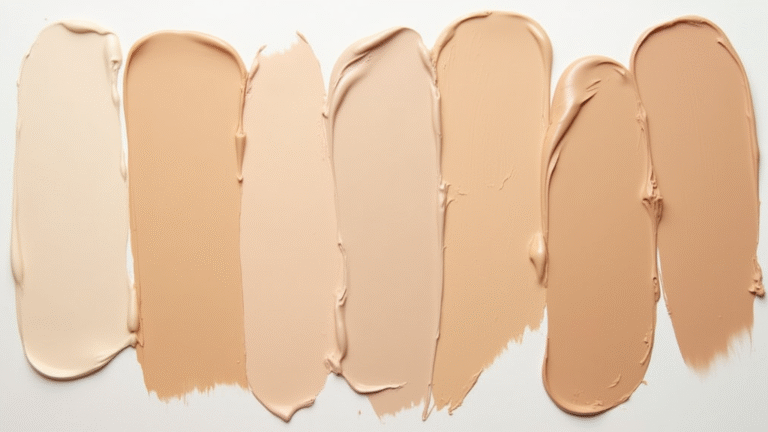
Check also: How To Choose The Right Pink Undertone For Foundation?
My Quick Guide to Trying Pink Eyeshadow
Pink eyeshadow can seem a little bold at first, but there are easy ways to make it work. If you’re new to it, try a soft pastel or a rose gold shimmer. Here’s a little routine I use when I want a fresh look but don’t want any fuss:
- Dab a light pink or soft mauve shade all over your lid. Your finger is perfect if you don’t have brushes yet.
- Blend out the edges with a clean finger or a fluffy brush for a smooth fade.
- If you want more pop, press a shimmery pink shadow onto the center of your lid.
- Add a little brown liner or a soft pencil for some extra definition.
- Finish with mascara. Even a basic coat gives the look a boost.
A wash of pink on eyes goes with almost any lip or cheek color, as long as you don’t play up all three areas at once.
Getting That Rosy Cheek Glow
Blush is probably the easiest place to introduce pink if you aren’t sure where to begin. Applying blush is easy: use a soft brush, tap off any excess product, and sweep it gently over the apples of your cheeks, blending up toward your temples. Cream blush is fantastic too, especially if you want something dewy and natural that you can blend with your fingers.
Cream or Powder?
Both choices work well. If you want a softer, dewy finish, cream blush melts nicely into skin. For longer staying power or adjustable intensity, powder blush may be the better option. You can even layer the two—start with a cream base for a healthy sheen, then dust a matching powder blush overtop to set everything and keep it in place all day or night.
Lip Looks for Beginners
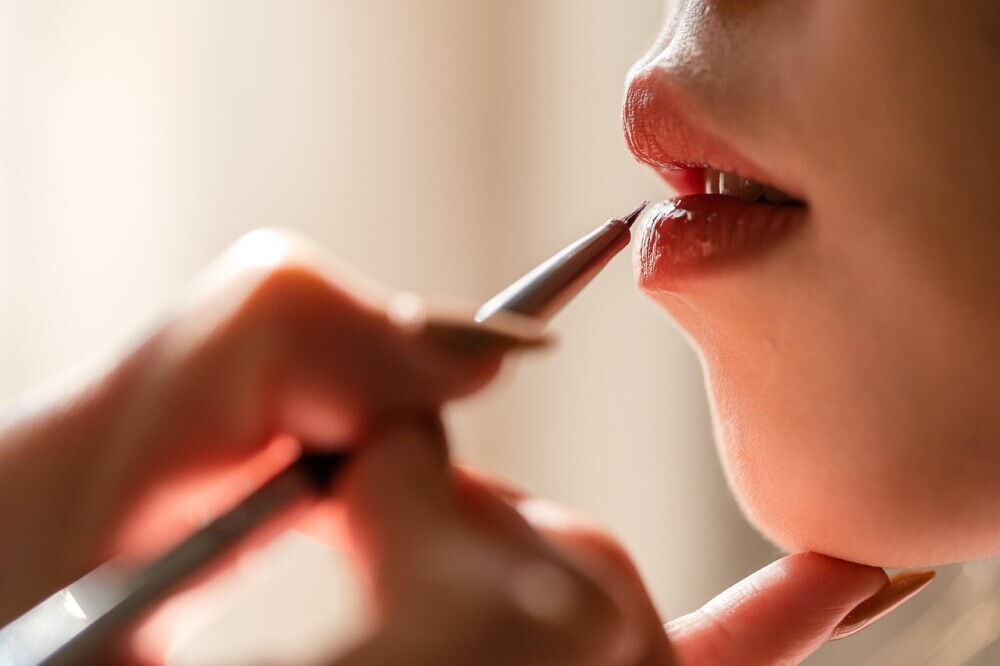
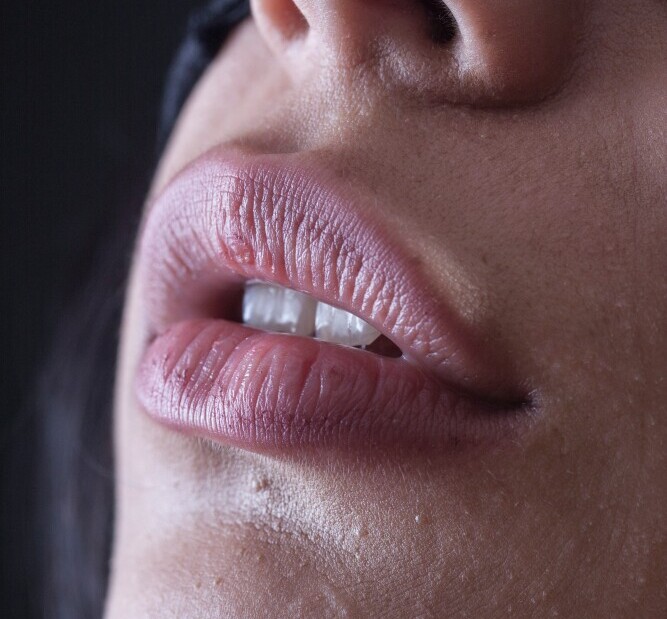
A swipe of pink on lips can instantly brighten your entire face. Newbies often like tinted balms or glosses because they don’t need liner and can be reapplied without much thought. If you prefer a bolder look, creamy lipsticks in pink shades feel comfortable and look put together. Matte pinks make a statement; just put a little balm underneath to stay comfy.
Tips for Wearing Pink Makeup Without Feeling Overdone
- Mix up your pinks. If you choose pink on the eyes, go for a neutral blush and lip, or switch it up the other way. Monopink looks are trending, but balance keeps it wearable for everyday style.
- Try gradual intensity. Start with sheer formulas and layer as you go—especially for cheeks and lips. It’s always easier to add more than to take away extra pigment.
- Pair with easy neutrals. Browns, golds, and soft beiges play well with pinks and help tone down or brighten up your look.
- Check your lighting. Pink looks can appear very different in daylight versus evening light. Before heading out, peek at your makeup in natural light when you can.
Some Common Pink Makeup Mistakes and How to Dodge Them
- Blending too little: Patchy blush or eyeshadow isn’t great, but a fluffy brush and gentle circular motions fix this in no time. Take an extra moment to soften any lines.
- Wrong undertone: If a pink shade looks chalky or leaves you looking tired, swap for a warmer or cooler shade. Try out testers to find your best match.
- Skipping prep: Pink lipsticks can cling to dry spots. Using a quick lip scrub or applying a clear balm underneath makes a big difference.
- Piling on too many pinks: A light touch is ideal. If everything is hot pink, it can start to look like a costume. Balance is the key.
Packing Your Beginner Pink Makeup Kit
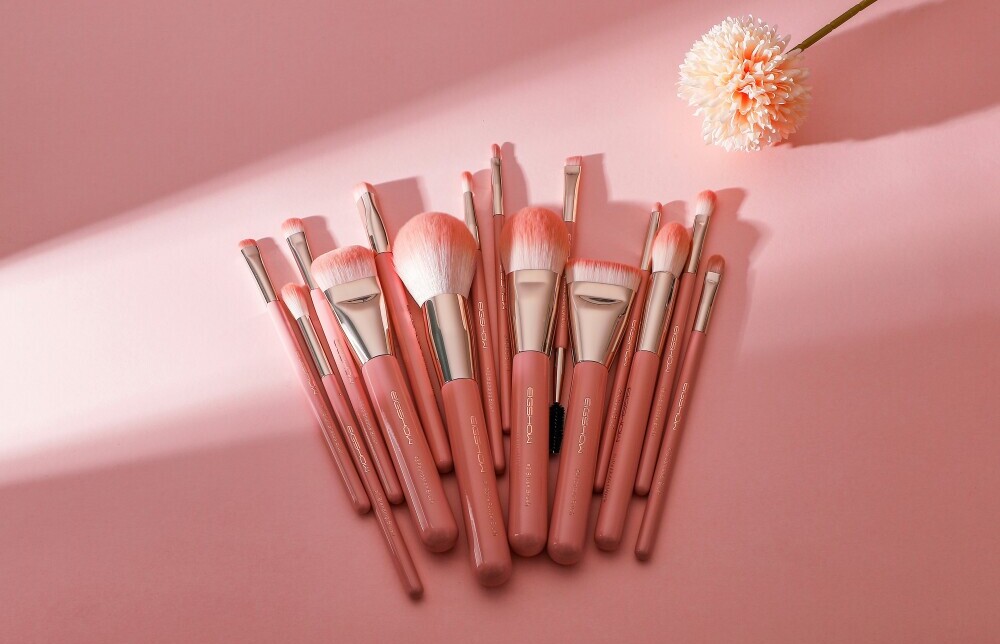
Building a pink makeup collection doesn’t mean breaking the bank. Some really helpful picks include:
- A simple pink blush (cream or powder)
- One neutral and one rosy eyeshadow palette
- A tinted balm (for lips and cheeks as a multitasker!)
- A pink gloss or classic lipstick
- Small fluffy brush (for blush and eyes)
You don’t need everything at once. Add one product at a time, or pick up a mini palette. Multiuse products save space and let you try out multiple textures before picking a fullsize favorite.
To step things up further, consider grabbing a setting spray or compact mirror for touchups on the go. These extras aren’t musthaves, but they smooth the way if you start wearing pink makeup more regularly.
Frequently Asked Questions
Is pink makeup good for all skin tones?
Absolutely. There’s a pink shade to flatter everyone. If you’re not sure where to start, ask for advice at the makeup counter or check swatch comparisons online to match your complexion.
What’s the easiest way to make pink makeup work for daytime?
Stick to sheer or matte pinks, and use it on just one or two features—try cheeks and lips, or eyes and lips. A light touch, soft brushes, and glowy skin help pink makeup look fresh for everyday wear.
How do I stop pink eyeshadow from making eyes look puffy?
Add a soft brown or chocolate shade to the outer corner or crease for depth and shape. Finish with mascara and natural brows to keep the look bright and awake.
Easy Pink Looks to Try
- Everyday Glow: Sweep a peachypink blush on cheeks and add a sheer pink gloss to lips. It’s a perfect combo for both work and weekend errands.
- Quick Monochrome: Use the same cream blush on your eyes, cheeks, and lips for a coordinated look that takes just a few minutes.
- Bolder Night Out: Try a soft pink eye shadow paired with a bold raspberry lip. Keep blush minimal and radiant for great balance.
Trying pink makeup as a beginner is meant to be fun and easy. With just a few basic products and some experimenting, you’ll stumble upon pink looks that feel right for you—and you’ll be ready to wear them confidently anywhere you go.