Pink Color Symbolism: 🌷 From Softness to Bold Empowerment
 Pink has always been a color that catches my eye, and it’s definitely one of those shades that means different things to different people. Some folks see pink as sweet and gentle, while others connect it to boldness, rebellion, or even protest. I’ve found it pretty fascinating how pink can stand for so many ideas at once based on where or when it pops up. Across the globe, pink’s symbolism is rich with meaning, ranging from love and romance to power and new beginnings.
So, here’s a chance to dig into pink color symbolism—a look at how this color weaves through culture, history, emotions, and even movements in art and fashion. Whether you’re picking out a paint color or just curious about the deeper layers behind pink, there’s a lot more to know about this seemingly simple shade than meets the eye.
1. The Heartbeat of Pink: Love, Kindness, and Tenderness
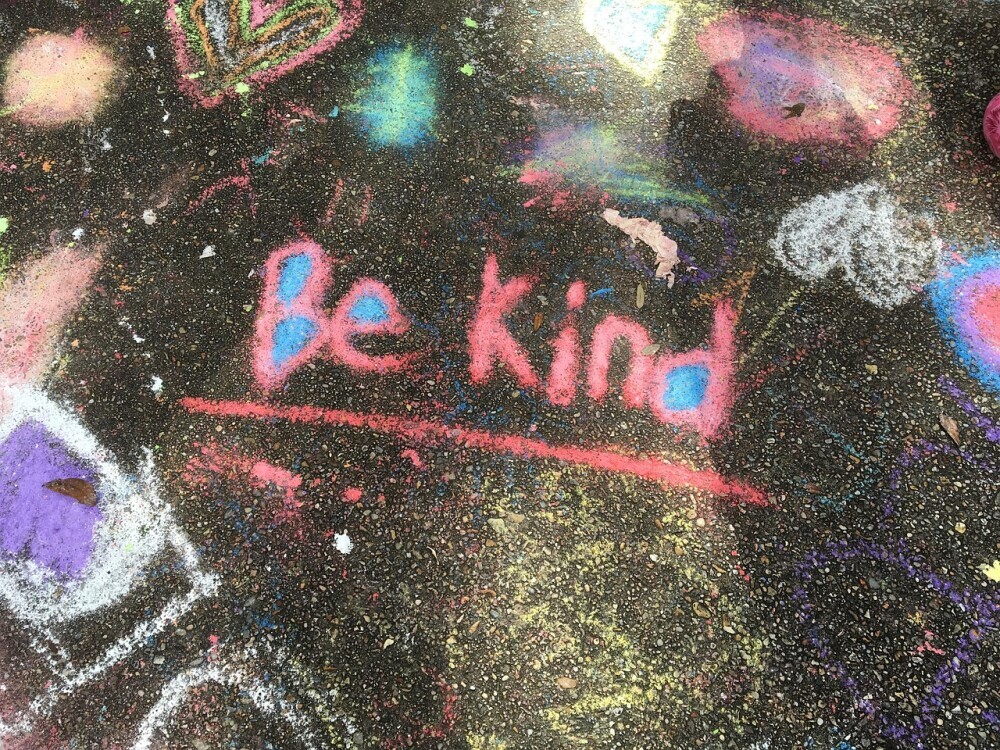
Pink has a long-standing link with love, affection, and warmth. In the West, I always think of pink greeting cards for Valentine’s Day or baby showers, and it’s all about gentle care, friendship, and family. Pink is a blend of red, the color of passion, and white, which leans toward purity and calm. When you mix them, you get something that’s both warm and soft, making it instantly inviting.
I’ve noticed parents and childcare brands lean heavily on pink for baby gear because it’s reassuring and has a welcoming feel. That gentle quality carries through into how pink shows up in everything from roses to ribbons, often as a way to send caring vibes or show emotional support. Even pink candies, soft sweaters, and pastel artwork tap those cozy associations.
Key Associations in Western Culture
- Gentleness and nurturing
- Romantic gestures
- Platonic love and friendship
- Comfort and vulnerability
This symbolism is probably why pink is one of the top picks for weddings, anniversaries, and even modern home décor. People want those positive, cozy feelings, and pink helps set that mood.
2. Pink in Different Cultures: From Joy to Challenge
Pink’s story isn’t the same everywhere. In Japan, for example, pink is associated with cherry blossoms and hints at the beginning of spring, symbolizing hope and new beginnings. Pink in Japanese pop culture is also tied to kawaii (which means cute or adorable) and is highly visible in advertisements, anime, and everyday design.
But in some Latin American cultures, pink is linked with religious celebrations. You’ll spot pink altars during certain church festivals, and pink sets a mood of happiness and festivity. In Korea, pink stands for trust, and in India, it appears often at celebrations, representing positivity and joy.
Even though pink shows up nearly everywhere, the meaning can mix things up a lot. For instance, in some parts of Africa, pink fabric is used for special rituals or important life milestones, often unrelated to romance. It’s a reminder for me that colors never mean just one thing to everyone.
Examples of Pink’s Meaning Around the World
- Japan: New beginnings and youthful joy
- India: Festivity and positivity
- Korea: Trust and confidence
- South America: Religious ceremony and celebration
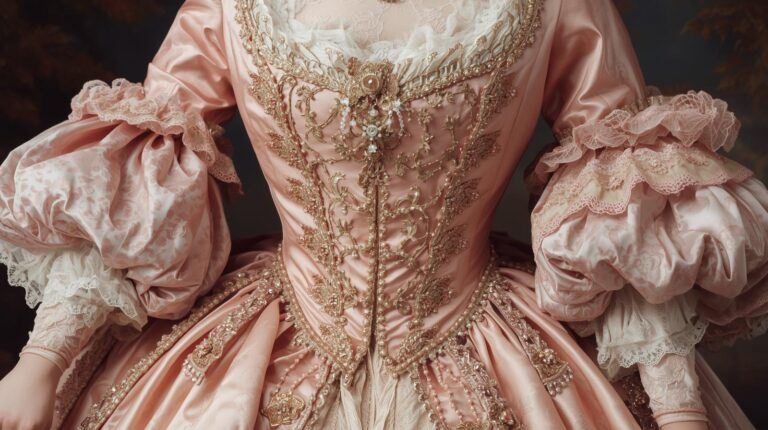
There are even more fascinating sides to pink worldwide. In Mexico, pink murals known as “Mexican pink” (rosa Mexicano) decorate city streets, blending traditional and modern vibes. Meanwhile, in certain European traditions, specific shades of pink marked noble status in fabrics centuries ago.
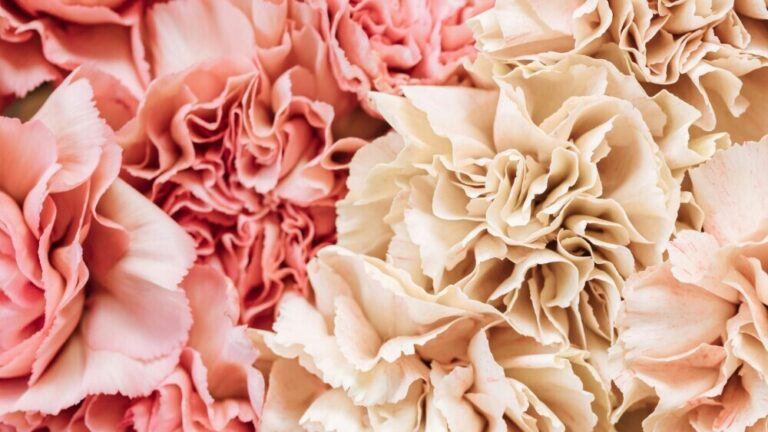
What’s the difference between blush, fuchsia, and salmon? With so many pinks out there, it gets confusing fast. A visual glossary (The Ultimate Pink Glossary) makes it a little bit easier for anyone to break down major pink shades.

3. Rebellion, Protest, and the Subversive Side of Pink
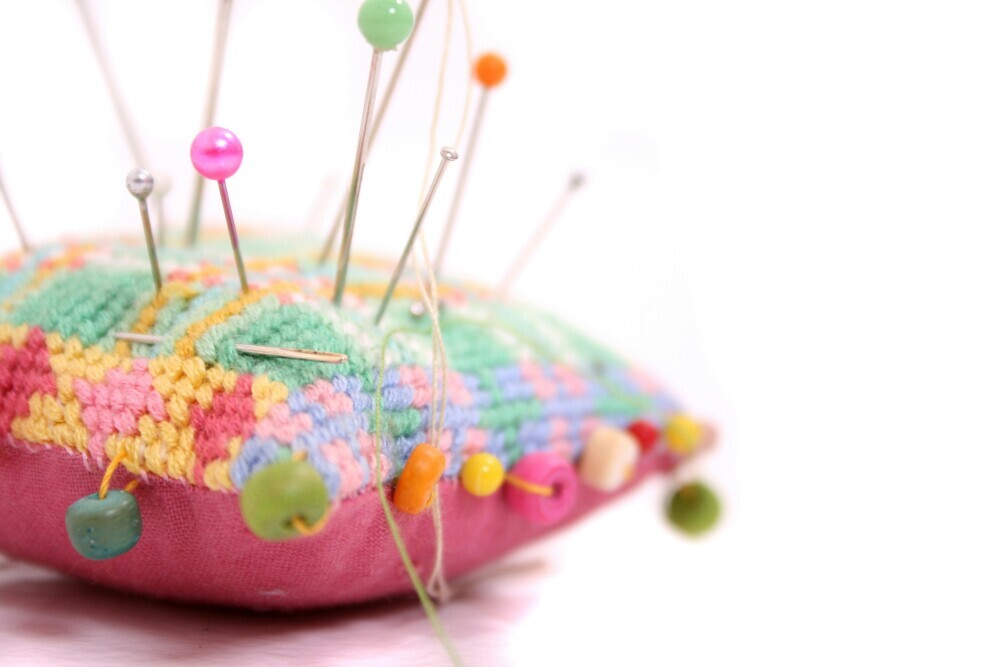
I find it super interesting that pink has also been used to break norms and challenge stereotypes. Think punk culture in the 1970s and 80s, where pink hair, safety pins, and wild makeup were in—pink became a color of defiance and a handy way to show you were different from the mainstream.
More recently, pink has been at the center of social and political movements. Take the pink triangle, once used during World War II to shame LGBTQ+ people, but later reclaimed and flipped into a symbol of pride and activism. Loads of campaigns, protests, and awareness days also use pink, like the pink hats from the 2017 Women’s March or the instantly recognizable pink ribbons for breast cancer awareness. Pink here isn’t just soft and sweet; it packs a punch and brings attention to important causes.
Pink as a Tool for Activism
- Challenging gender norms
- Creating visibility in LGBTQ+ rights
- Spreading awareness for health and social issues
- Unifying people under a bold, recognizable banner
Seeing pink out in these contexts reminds me how a color can be a signal for both support and rebellion at the same time. Even in media, pink’s use in comic book heroes and pop stars often serves as a playful, subversive twist, taking traditional meanings and turning them upside down.
4. Pink and Gender: Past and Present

Most people, at least where I live, connect pink with femininity. Clothes, toys, and branding have leaned toward “pink for girls” since at least the early 20th century. But early on, pink was actually seen as a strong masculine color, as it was a lighter version of red—a color that stood for strength and power. Old catalogs from the early 1900s recommended pink for baby boys and blue for girls. Isn’t that wild?
The switch happened slowly as brands and advertising began putting pink on the feminine side. Today, though, people are pushing back against the rigid pink-blue split, opening up color choices to everyone, regardless of gender. High fashion designers have added bold pink suits and streetwear for men, changing the conversation about who can wear pink and why.
Modern Gender Views on Pink
- Pushing for gender neutral color options
- Expanding pink into menswear and unisex brands
- Using pink as a symbol for breaking out of stereotypes
Pink’s gender story is still changing. I see more guys than ever rocking pink shirts and sneakers as a style move—a small but noticeable sign of shifting attitudes. Some influencers even celebrate “wearing pink with pride” to support men’s mental health, using the color’s strength and softness at once.
5. Emotional Impact of Pink: Mood, Health, and Perception
Pale pink rooms, plush furnishings, or even pink desserts can instantly set a certain mood. Research on color psychology says soft pink can calm people and tone down aggression. Some schools and prisons have even painted rooms pink to help ease stress, as shown in overviews from the National Institutes of Health.
Darker or more intense pinks, on the flip side, bring up more energy and can liven up a space. I’ve found hot pink to be attention-grabbing and energizing, while soft pink seems made for cozy corners or wellness spots, helping people relax after a hectic day.
Typical Effects Based on Shade
- Pale pink: Calmness, nurturance, soothing
- Hot pink (or magenta): Confidence, energy, excitement
- Mauve or dusty pink: Nostalgia, romance, creativity
Pinks in the environment or your wardrobe do more than decorate spaces—they really shape how people feel, connect, and interact. Some spas use pink lighting to help clients feel more relaxed, and wellness apps have even introduced pink-themed interfaces for a calming effect.
6. Pink in Art, Design, and Everyday Life
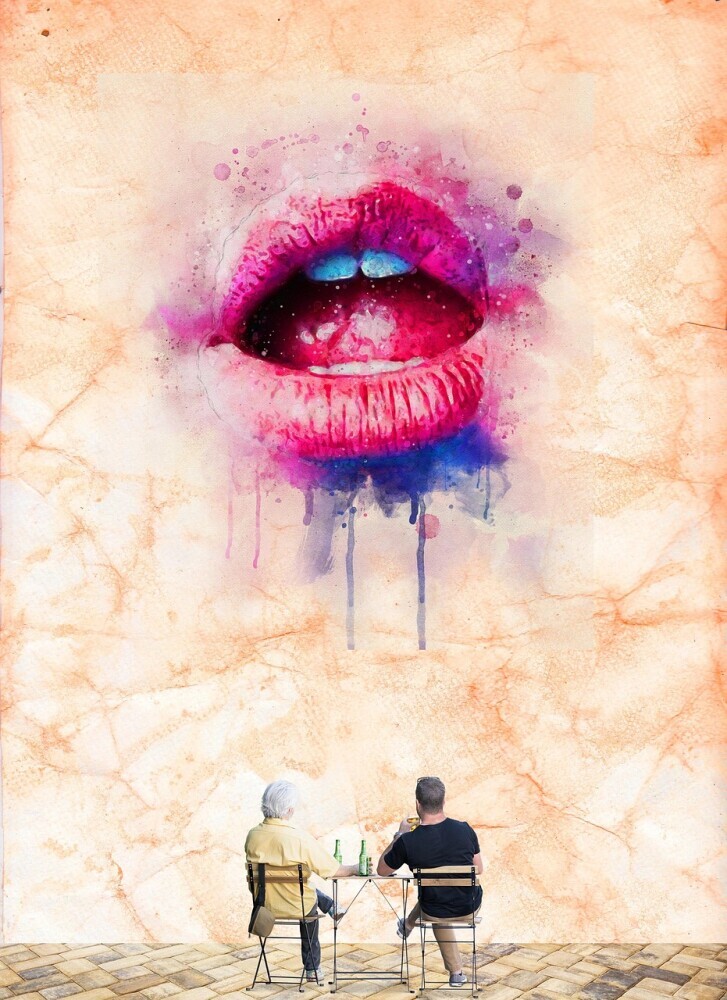
Pink has had a starring role across the art world, fashion, and pop culture. Artists use it to make viewers feel a certain way or to shake up color expectations. Designers reach for pink when they want to put warmth or a bold graphic statement into their work.
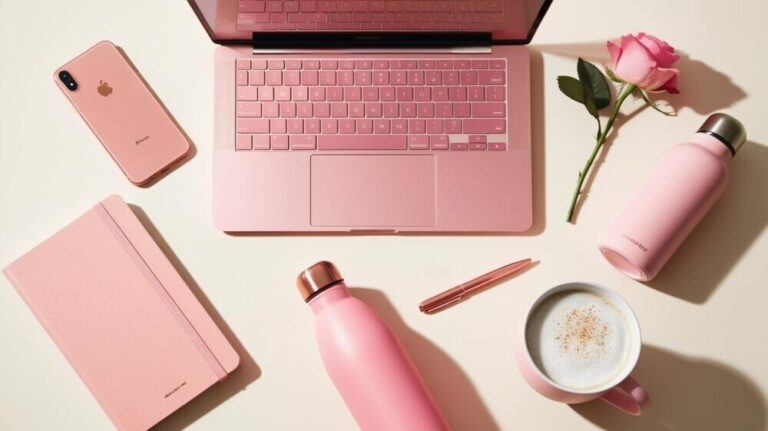
The recent “millennial pink” trend swept through Instagram and design blogs for a few years because it felt fresh and modern. Pink packaging, logos, and architecture have shown up in everything from candy brands to highend sneaker drops. It makes products stand out and signals a sense of trendiness and fun.
I find that pink is one of those shades that comes and goes in waves. It might be edgy one decade and playful the next, but it never quite disappears. It simply takes on new forms and fresh meanings as style and culture change. Giant pink sculptures, art installations, and viral murals keep popping up in urban spaces—proof that pink’s popularity and surprise factor are still strong in public art and events.
Final Thoughts
Pink covers huge ground, from softness and love to protest and power. Its reputation changes across borders and eras, making it a really flexible, layered color in culture. The next time pink pops up in your world, whether it’s a bouquet or a bold mural, remember there’s a whole story beneath the surface. And maybe, when you see or wear pink, you’ll find yourself thinking about which of its many stories connects with you the most.