

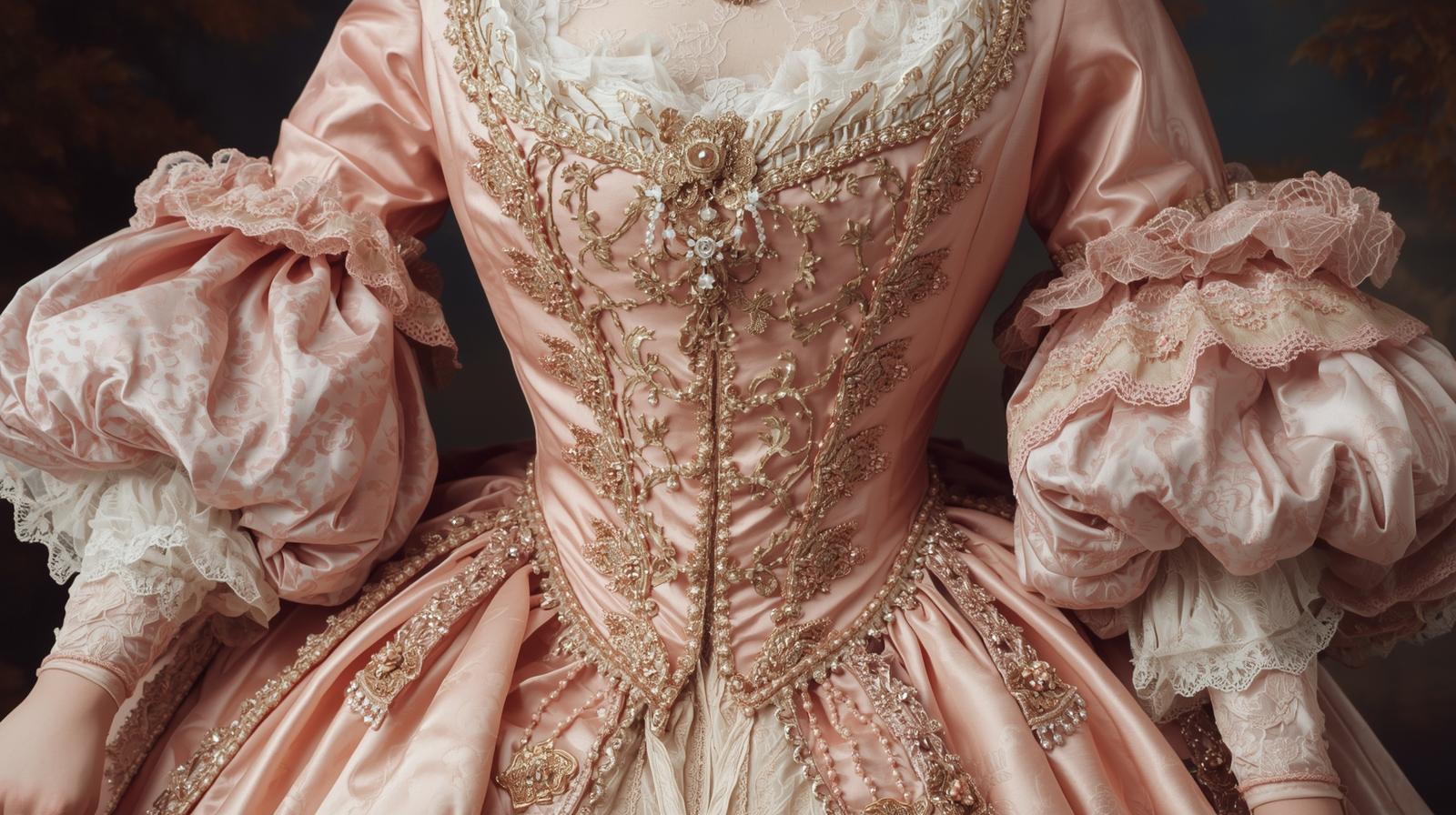
Pink is everywhere. You’ll notice this bright color online and in everyday life. But pink wasn’t always so popular. Its journey to the spotlight is full of surprises, shaped by history, pop culture, and daring fashion.
Pink used to be overlooked or tied to outdated ideas. Now, people everywhere see it as a sign of confidence and style. So how did pink go from being ignored to becoming a color everyone wants?
Let’s see how pink became so popular and why it keeps coming back in new ways. From royal courts to modern trendsetters, each chapter in pink’s story shows why it keeps appearing in surprising places.
The Origins: Pink Wasn’t Always a “Girly” Color
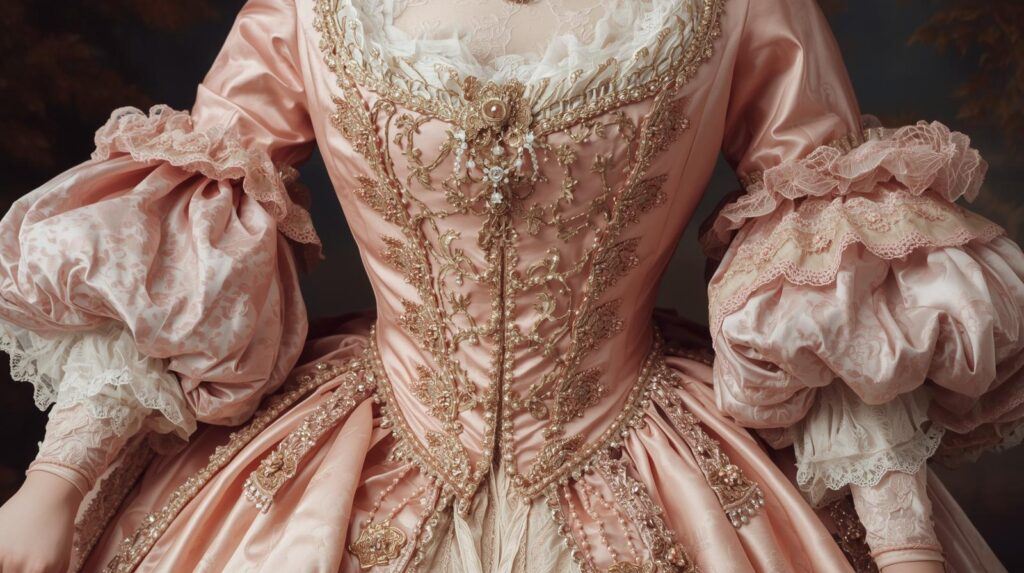
Pink wasn’t always linked to femininity. Centuries ago, it was actually seen as a powerful color. In the 18th century, pink appeared in royal clothing and grand paintings, worn by both men and women. People liked its energy and youthful feel, seeing it as a playful version of red.
Historical fashion in Europe, especially France, gave pink its first big moment. Rich, powdered pink jackets and rococo dresses made the color look almost regal. There was even a time in the early 20th century when pink clothes were considered better suited for little boys, thanks to their link with red (seen as a strong, active color). Blue, on the other hand, was viewed as gentle and delicate, making it more common for girls.
Things shifted over time, but pink didn’t become known as a “girls’ color” until the mid-1900s. After World War II, department stores started selling pink and blue for different genders. Pink quickly showed up on nursery walls, baby clothes, and bikes, shaping its image for years.
Hollywood, Barbie, and the Pink Explosion
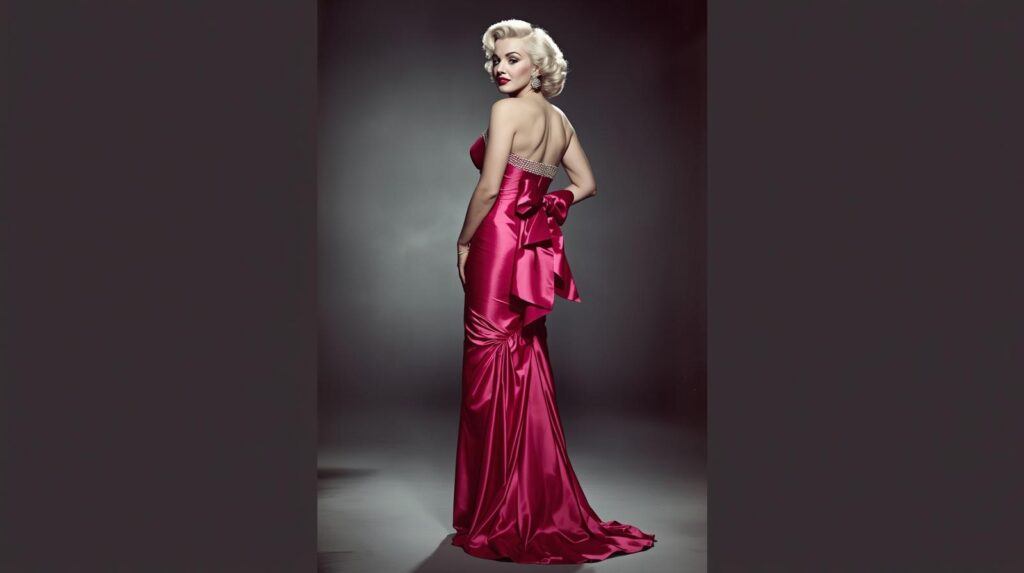
Hollywood and big brands helped make pink popular. Marilyn Monroe’s famous pink dress in “Gentlemen Prefer Blondes” showed everyone that pink could stand out and grab attention.
Barbie hit shelves in 1959, decked out in every shade of pink imaginable, and didn’t stop there. The Barbie brand worked hard to make pink an instant go-to for girls around the world. Through branding and toy marketing, pink became a quick visual shortcut for anything “girly,” especially in Western culture.
Movie stars, pop icons, and even candy companies joined in. In the 1960s, pink was everywhere—from Cadillacs to milkshakes—making things feel fun and young. Fast food and soda brands used pink packaging to stand out. Around this time, birthday parties and kids’ rooms also started using pink for decorations and themes.
Punk, Rebellion, and the New Side of Pink
Pink’s story took a turn in the 1970s and 80s, when punk musicians and designers gave it a bold new look. The Sex Pistols used hot pink on posters to stand out, while Vivienne Westwood and Malcolm McLaren added neon pink to punk fashion. Pink became just as daring and rebellious as black leather and mohawks.
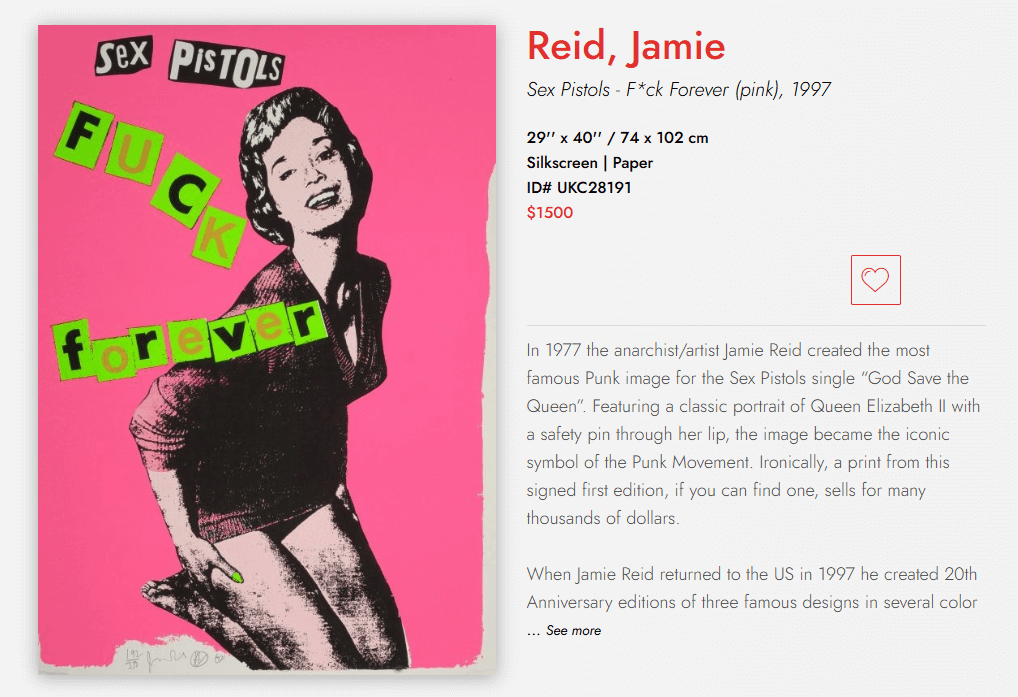
Instead of ignoring pink’s past, punks and artists used its bold color to get noticed. This gave pink new meaning, showing a spirit of rule-breaking and fun. Today, you can see this influence in streetwear, album covers, graffiti, and digital art. Pink’s ability to stand out inspires everything from skateboards to sneakers with bright pink soles.
Pop Culture and the High Fashion Runway
Music, movies, and celebrities kept changing what pink meant. In the late 1990s and early 2000s, stars like Gwen Stefani, Nicki Minaj, and Billie Eilish made pink part of their style. When pop stars wore pink hair or fur coats, it felt like they were challenging the usual expectations.
High-fashion designers took notice and started using more pink on the runway. From Valentino’s bright gowns to streetwear sneakers, pink became a trendy and daring choice. Collaborations and influencer styles let fans create their own pink looks. Even classic brands like Chanel gave pink a fresh, playful twist.
Movies like “Legally Blonde” made pink popular again, letting adults enjoy a color once seen as just for kids. Mixing old memories with new trends kept pink fun and stylish. Beauty brands released pink makeup, and special pink sneakers sold out quickly. Online, pink filters and emojis made the color even more loved.
Pink in Social Movements and Global Culture
Pink is also a symbol in social movements. The pink triangle, once a mark of persecution, became a sign of LGBTQ+ pride. Pink hats were a symbol of the women’s marches. The color appeared in protest art and community events, symbolizing unity and courage. At cancer fundraisers, people wear pink shirts and wristbands to show hope and strength.
Pink means different things around the world. In some Asian cultures, it stands for youth and luck. In India, bright pinks are common at festivals and weddings. Thanks to global fashion, these meanings now mix more than ever. In Mexico, homes and markets glow with bold pinks, while in Scandinavia or Japan, pink appears in softer ways, like cherry blossoms.
Modern Pink: From Streetwear to Smartphone Screens
Today, pink is everywhere, boosted by digital design and marketing. Millennial pink, a soft pastel, was everywhere online from 2015 to 2020, showing up on phones, makeup, and café decor. Brands like Glossier, Airbnb, and Apple used pink to convey a modern, creative, and friendly vibe.
Social media made pink even more popular. It looks great in photos and stands out on Instagram. Pink can feel old-fashioned or brand new, so anyone can use it their own way. Online shopping and influencer posts made pink walls and accessories trendy. Bright rooms, pink sneakers, and nail art brought the color into everyday life.
Pink is simply a fun color. It works for everyone, fits many moods, and is easy to personalize. Whether you wear bright pink shoes or add a soft pink item to your desk, you’re part of a long tradition. With so many shades, there’s a pink for everyone. Designers, artists, and tech brands keep finding new uses for pink, so it keeps getting more popular.
Why Pink Refuses to Fade Away
Pink’s appeal goes beyond being a trend or a memory. It has a lot of personality. Sometimes it feels warm, other times bold, soft, or strong, depending on how it’s used. Each generation gives pink new meanings and fans. From royal courts to rebellion to everyday style, pink keeps coming back even stronger.
The best thing about pink is how flexible it is. It’s not limited by gender, age, or style. Whether it’s on a punk jacket, a fancy dress, or your phone case, pink can be whatever you want. The future looks bright for pink, with new artists and brands finding creative ways to use it. Pink proves that no color has to stay the same. Mixing classic and modern styles keeps pink popular.
Leave a Reply