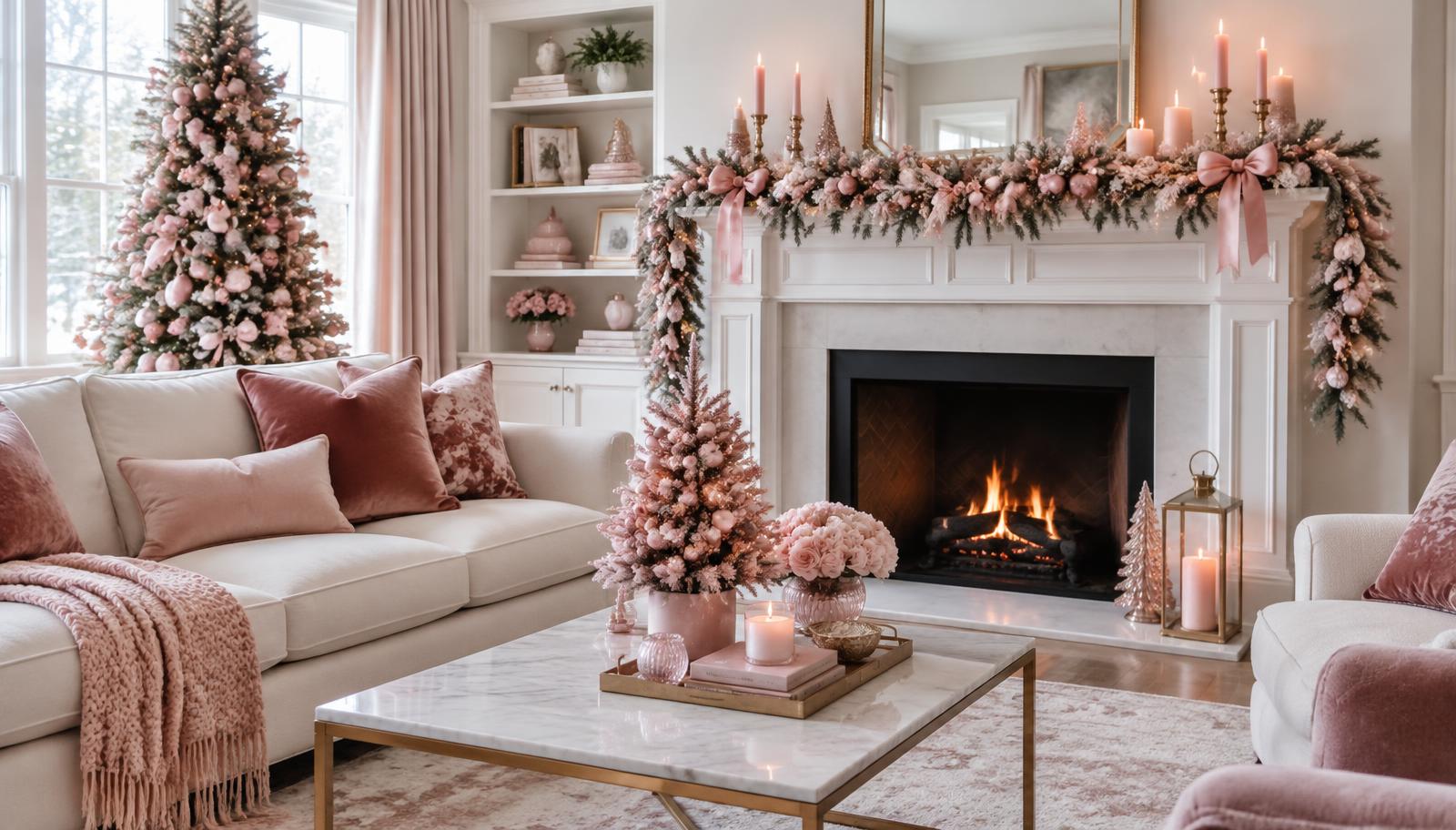
Adding soft pink to your child’s room is a smart decision. It helps create a space that feels comforting and inspiring. A pink wall invites your child to dream, play, and rest. As parents, we want our kids’ rooms to be more than just a place to sleep. We want them to feel safe, happy, and free to use their imagination.
Pink can feel as warm as a morning hug and adds a classic look that grows with your child. Picking the right shade helps make a space full of love and new ideas.
Read also: 50 Shades Of Pink or DIY Pink Home Decor On A Budget

Choosing the Perfect Pink: From Blush to Bubblegum
Picking the right shade of pink is important. In a sunny room, blush pink feels light and calming, making a peaceful background for daily life. This color can grow with your child and adds a bit of elegance without being overwhelming.

If your child likes bold colors, bubblegum pink is a bright and lively choice that adds energy to the room. This shade works well in spaces where creativity is important. Dusty rose is another good option, giving a mix of warmth and calm for a cozy place to relax.
When choosing a color, think about your child’s personality. Are they calm or adventurous, or a bit of both? Picking a pink that matches who they are can make their room feel special. Pink can show comfort and individuality.
One of the best things about pink is how flexible it is.
You can change the shade as your child grows. Soft pink works well for a nursery and can still look great for an older child with a few changes. This makes pink a lasting and cheerful choice.
Adding other colors can make a pink room feel unique. Mint, beige, or white go well with pink and add a gentle feel. These colors balance pink and make the room feel fresh and inviting. Mint green, for example, brings a calm, natural touch.
To create a modern look, try adding wooden details.
Light oak or birch can give the room a calm, Scandinavian style. Natural wood tones balance the playful feel of pink and bring together nature and creativity.
Think about how these colors make the room feel. Beige and white create a timeless, clean space that is perfect for your child’s daily activities. These color choices help make the room feel safe and welcoming for your child to play and grow.
Colors can affect our mood, and pairing pink with other matching shades creates a gentle, calming effect. This helps make a space where every color encourages your child’s imagination.
Changing color combinations as your child grows helps keep their room interesting. Adding new textures and colors lets the space change over time without big updates, making it feel fresh and lively.
Decor Ideas: Cozy Creations for Growing Minds

Using pink in decorating offers many ways to create a cozy space for your child. Start with simple things like bedding in fun patterns that mix pink with gray or white. This keeps the room playful but not overwhelming, making bedtime comfortable.
Try adding creative lighting, such as lampshades with fun cutouts that cast playful shadows at night. These small details can make bedtime stories more special. Wall art is another way to add personality. Pick fun prints or display your child’s own artwork to make the space unique.
Rugs are important for keeping feet warm and adding style.
Choose patterns that fit the room’s theme and make the floor a fun place to play. Try different textures like fluffy or woven rugs for extra comfort. Personalized items, like wooden letters with your child’s name or handmade cushion covers, add a special touch and help create lasting memories together.
Pink Ideas by Age
Nursery
Keep the walls soft, such as blush or pale rose, and use pink in textiles like curtains, a rug or a quilt. A calm base leaves room to add brighter accents later.
Toddler and early school years
This is when bold pinks and playful patterns work best. Put the brightest pink on things that are cheap to swap, like bedding, a play tent or wall decals, and keep large furniture neutral.
Tweens
Older kids often want a more grown-up look. Dusty rose or mauve paired with white, gray or light wood feels mature, and letting them choose the accent pieces helps the room feel like theirs.
Practical Tips Before You Paint
- Test two or three paint samples on the wall and look at them in morning and evening light. Pink can look warmer or cooler depending on the room.
- A wipeable finish such as eggshell or satin is easier to clean than flat paint in a busy kids’ room.
- Try a half wall, a painted arch or one accent wall if you are unsure about four pink walls.
- Ask your child to pick between a few shades you already like, so the choice feels shared.
As your child grows, you can easily update the room by changing small items. New pillows, artwork, or a colorful lampshade can quickly refresh the space. Pink is flexible and makes these changes easy, supporting your child through every stage.
Need more shade ideas? Browse 50 shades of pink, or read about why we associate pink with childhood.