
What Is The “Pink Tax” And Why Does It Exist?
The “pink tax” is a hot topic in conversations about shopping, fairness, and gender equality.
If you’ve ever noticed that products marketed toward women—even things like razors and deodorant—often cost more than nearly identical items for men, you’ve seen the pink tax in action.
This isn’t an actual government tax; it’s an unofficial name for the extra amount charged on products and services aimed at women. I’m going to dig into what the pink tax is all about, why it exists, and how it creeps into our day-to-day purchases.
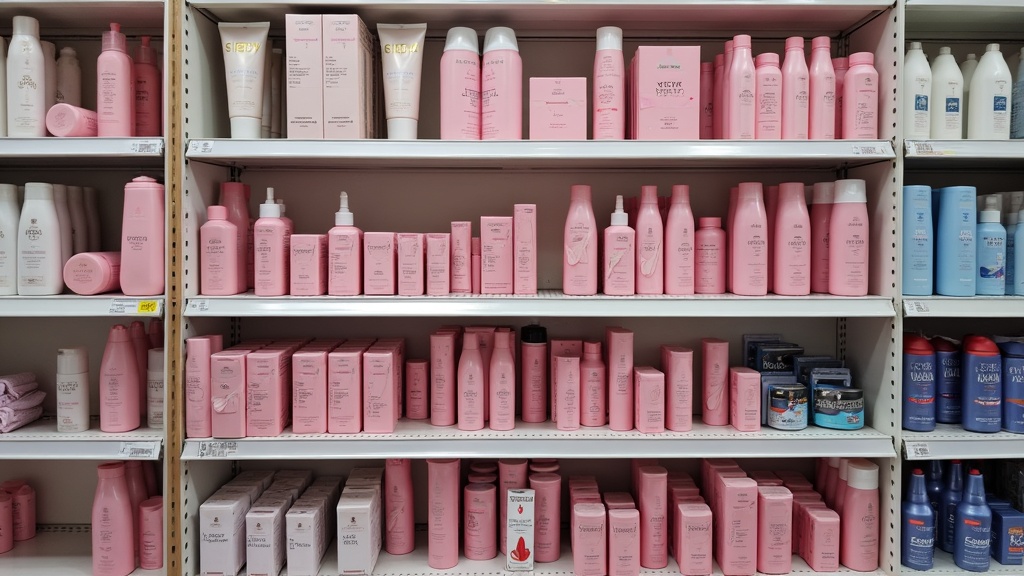
Why the Pink Tax Matters for Everyday Shoppers
When I first learned about the pink tax, I was startled at just how widespread the price difference is across store aisles. The pink tax refers to higher prices tacked onto products or services created or marketed for women. It’s not just about a dent in the wallet; it also highlights bigger conversations around marketing, stereotypes, and consumer rights.
According to a 2015 study by the New York City Department of Consumer Affairs (full report here), products for women or girls cost about 7% more on average than similar products for men and boys.
Over a lifetime, these extra charges really pile up. For me and many others, seeing stats like these truly changed the way I approach shopping and made me pause to think about the subtle ways marketing influences buying choices.
Read also 👉🏻 Why Is Pink Used In Marketing To Women?
This isn’t about a few extra cents here and there. It’s about how routine purchases—shampoos, razors, dry cleaning—regularly cost more for women, even if there’s basically no difference in what’s inside the bottle or how complex the product is.
How the Pink Tax Shows Up in Real Life
The pink tax can show up almost anywhere, but it’s especially obvious in a few main categories:
- Personal care products: Razors, deodorants, lotions, and shampoos are classic cases. A pink razor often costs more than a blue one, even if both are made by the same brand and only the color or packaging is different.
- Clothing: There are noticeable price gaps in basics like t-shirts, socks, and jeans. Even kids’ clothing isn’t exempt—sometimes, a girls’ shirt will cost more than an otherwise identical boys’ shirt.
- Services: Haircuts, dry cleaning, and car repairs can sometimes carry a higher price for women. Some dry cleaners charge more for women’s shirts, saying they’re harder to process (even if the only real difference is where the buttons are stitched).
- Toys and accessories: A pink bike or scooter frequently costs more than a red or blue version of the same size, just because it’s advertised for girls.
I’ve run into these differences myself, both shopping online and in brick-and-mortar stores. Sometimes it’s just a matter of picking up two nearly identical items and noticing the only real difference is the label or color.
What Causes the Pink Tax?
The pink tax isn’t caused by one simple thing; several factors mix together to create these price jumps. Here are a few of the most common:
- Marketing differences: Companies craft products to appeal to certain buyers. Packaging, scents, or colors are tailored to catch a woman’s eye, and these cosmetic tweaks are then used as excuses to charge more.
- Price discrimination: This means charging different groups different prices for similar products. In the case of the pink tax, it involves setting higher prices for women, based on the idea that they might be willing to pay more for certain items.
- Import tariffs and taxes: Some imported goods are taxed more if they’re labeled for women, with those costs trickling down to the product’s shelf price.
- Small product differences: Every now and then, there’s an actual design difference—a slightly curved razor handle or a gentler formula. Most of the time, though, the differences are cosmetic and don’t justify a major price hike.
In general, the pink tax is less about intentional discrimination and more about habits, old marketing research, and inertia in how prices are set. Companies get into the routine of dividing products by gender, tweaking the packaging, and bumping up prices for one group over another.
Common Arguments About the Pink Tax
Talking to friends and family about the pink tax always brings up plenty of opinions and some friendly debates. A few arguments come up again and again. Some say the pink tax isn’t really unfair; it’s just the result of business and how markets work. Others think it definitely takes advantage of shoppers who don’t notice small price gaps.
Companies often say products for women come with unique features, different formulas, or extra design touches. While that’s sometimes true, studies like those from the New York City DCA show that most price differences aren’t tied to meaningful differences in manufacturing. In the vast majority of cases, the only changes are surface-level, like a scent or a softer color.
There’s also the argument that shoppers could simply pick the less expensive item. But shelves are usually stocked to nudge people toward gendered options, and in some cases—like deodorant or razors—genderneutral versions are hard to find. If there’s no “universal” option, shoppers may feel stuck paying the higher price.

Tackling the Pink Tax: Tips and Tricks
A big part of dodging the pink tax is keeping an eye out for labels and price tags. If you want to keep more money in your wallet and avoid unnecessary markups, try these techniques:
- Check ingredient lists and details: When buying personal care items, compare ingredient lists on “men’s” and “women’s” products. You’ll often find there’s barely a difference, making it easy to grab the less expensive one no matter what section it’s in.
- Pick genderneutral products: More brands are rolling out hygiene and skincare products for everyone, without the pink or blue gimmicks. These options remove the extra markup and can be just as good (or better) than gendered versions.
- Give feedback: If you notice a large price gap in stores, ask about it. Some shoppers have gotten price matches or discounts by just pointing it out and expressing their concerns. A few retailers have responded by evening out their prices after hearing from customers.
- Check bulk and online deals: Larger quantity packages or picking up items from online stores can sometimes knock down the genderbased price divide. Plus, many online retailers clearly post details and comparisons, making it easier to spot markups.
While these moves can work on an individual level, bigger change usually happens when shoppers take notice and put pressure on companies to update their pricing models.
What’s Being Done About the Pink Tax?
The pink tax has grabbed lawmakers’, consumer advocates’, and journalists’ attention, especially over the last ten years. There have been real efforts at state and federal levels in the U.S. to stamp out gender-based price differences. One important moment came with California’s Gender Tax Repeal Act of 1996, which outlawed service businesses charging higher prices based solely on whether the customer is a woman or a man.
On the federal side, ideas like the Pink Tax Repeal Act have been floated in Congress. These plans seek to ban gender-based pricing for products across the nation. Change is slow, but as more people get wise to the pink tax, companies and politicians feel more pressure to stop the practice. Even some national retailers have taken steps to equalize prices for everybody, usually after getting lots of customer feedback and media coverage.
Around the world, similar conversations are taking off. A handful of countries have started passing legislation or investigating brands to make sure shoppers are treated fairly at checkout. It’s a long road, but the more we talk about these issues, the harder it gets for outdated pricing to stick around.
Frequently Asked Questions About the Pink Tax
Here are some questions I often hear about the pink tax:
Question: Is the pink tax an actual government tax?
Answer: The “pink tax” isn’t a government policy or literal tax. It’s a nickname for gender-based price differences in the marketplace, mostly set by private companies.
Question: Do men ever face higher prices because of product marketing?
Answer: Yes, though it’s less common. Some products targeted at men—such as high-end grooming tools or supplements—might cost more, but across the board, women still deal with higher prices more often.
Question: Are there places where the pink tax doesn’t exist?
Answer: Some countries—like Australia, France, and regions in Canada—have started cracking down on gender-based pricing or investigating companies that use it. While these laws are helpful, the issue hasn’t totally gone away anywhere. Ongoing consumer awareness and laws keep brands under watch to treat customers fairly.
Taking Charge of Your Shopping Choices
Spotting the pink tax helps put control back in shoppers’ hands. Every time you compare prices, look over product labels, or point out questionable markups, you push things a bit further toward fairness. There are more brands stepping up with equal pricing for everyone and fewer companies able to sneak in unfair fees unnoticed. Staying alert, informed, and speaking up at the register are the first steps to keeping the pink tax in check—and making shopping better for all of us.