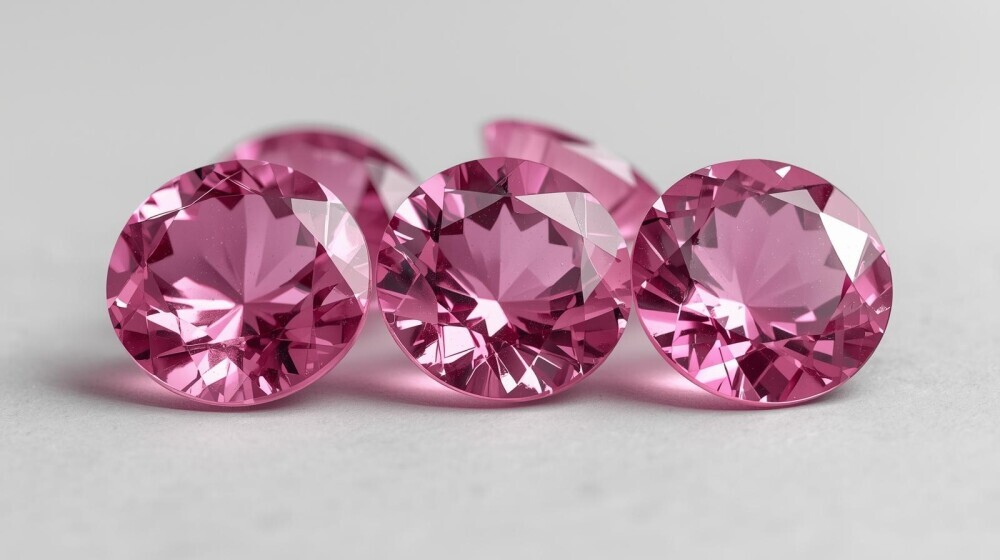
Pink gemstones commonly associated with love in cultural and spiritual traditions include rose quartz, pink sapphire, morganite, rhodochrosite, pink tourmaline and kunzite. Their meanings are symbolic, not scientific: a stone cannot be shown to attract love, repair a relationship or treat emotional distress. The most useful choice depends on the meaning you want to express, the shade you like and how durable the jewelry needs to be.
Pink itself is widely connected with affection, tenderness and romance. That color association helps explain why many pink stones appear in engagement jewelry, anniversary gifts and personal keepsakes. Read more about the broader cultural associations in the guide to pink color symbolism.
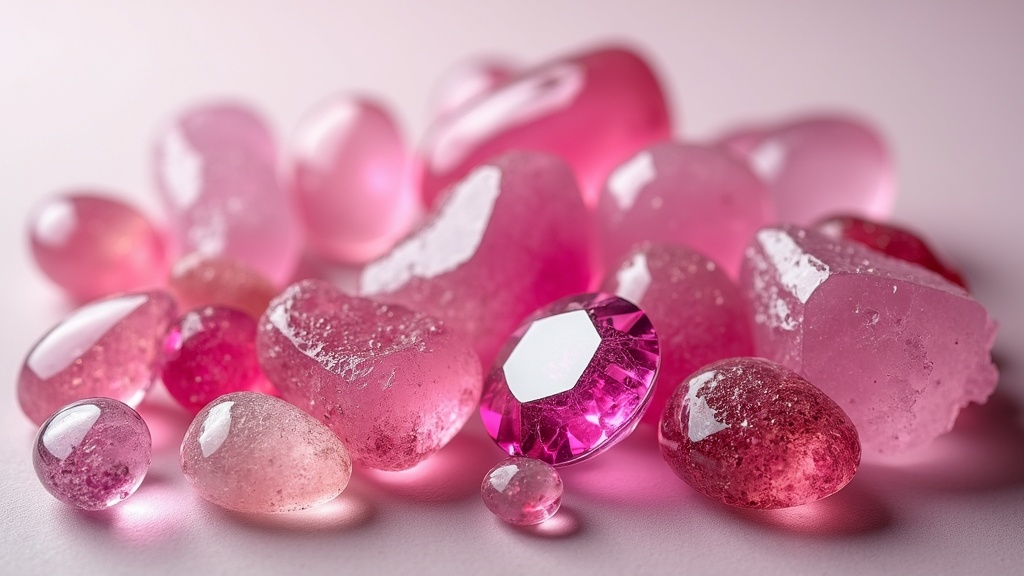
Pink gemstones for love at a glance
| Gemstone | Common symbolic association | Typical color | Durability and care | Common use |
|---|---|---|---|---|
| Rose quartz | Affection, compassion and self-kindness in crystal traditions | Very pale to medium pink, often translucent | Mohs 7; reasonably durable, but protect from hard knocks and harsh cleaning | Beads, cabochons, pendants and carvings |
| Pink sapphire | Commitment, loyalty and lasting love | Pale pink to vivid pink | Mohs 9; a strong choice for frequent wear | Engagement rings, anniversary rings and earrings |
| Morganite | Romance, compassion and new beginnings | Pink, peach, salmon or purplish pink | Mohs 7.5 to 8; avoid sharp impacts and extreme heat | Rings, pendants and earrings |
| Rhodochrosite | Compassion and emotional openness in crystal folklore | Pink to red, often with pale banding | Mohs 3.5 to 4; soft and better protected from scratches, acids and knocks | Pendants, earrings, beads and display pieces |
| Pink tourmaline | Affection, friendship and self-love | Soft blush to saturated pink or red-pink | Mohs 7 to 7.5; suitable for many jewelry types with sensible care | Rings, necklaces and earrings |
| Kunzite | Gentle romance and emotional openness | Pale pink to violetish pink | Mohs 6.5 to 7; cleavage and light sensitivity make careful wear important | Pendants, earrings and occasional-wear rings |
Mohs hardness measures resistance to scratching, not overall toughness. A hard stone can still chip, and settings also affect how safely a gem can be worn.
Popular pink gemstones and their traditional meanings
Rose quartz
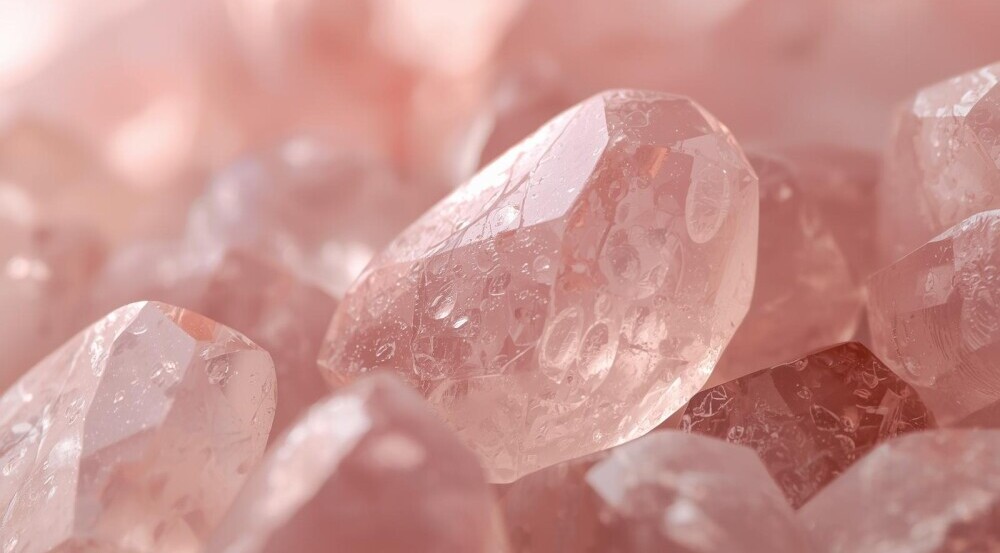
Rose quartz is the best-known “love stone” in modern crystal traditions, where it represents affection, compassion and care. Mineralogically, it is a pink variety of quartz with a Mohs hardness of 7. It is often cloudy or translucent, which suits beads, smooth cabochons and carved objects as well as jewelry.
Those meanings can make rose quartz a thoughtful friendship or self-care gift, but they should be understood as tradition and personal symbolism rather than a promise of emotional change. The GIA rose quartz guide explains its color, structure and gemological properties.
Pink sapphire
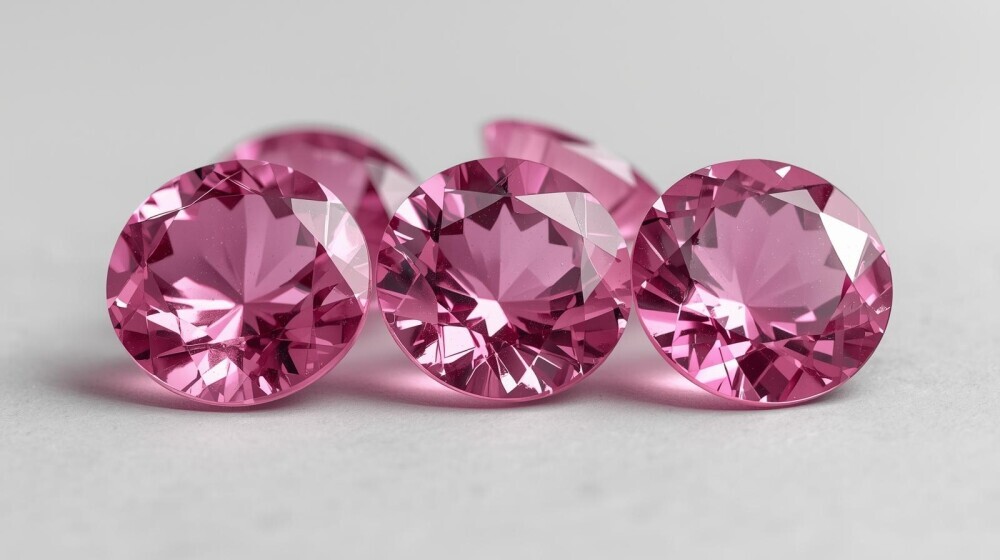
Pink sapphire is traditionally linked with loyalty, commitment and enduring affection. Sapphire is corundum and measures 9 on the Mohs scale, making it the most scratch-resistant stone in this group and a practical option for frequently worn rings.
Heat treatment is common in sapphire, and other treatments also exist. Ask the seller whether the stone is natural or laboratory-grown and what treatments are known, especially for an engagement or anniversary purchase. The GIA sapphire care guide covers durability and treatment-related precautions.
Morganite
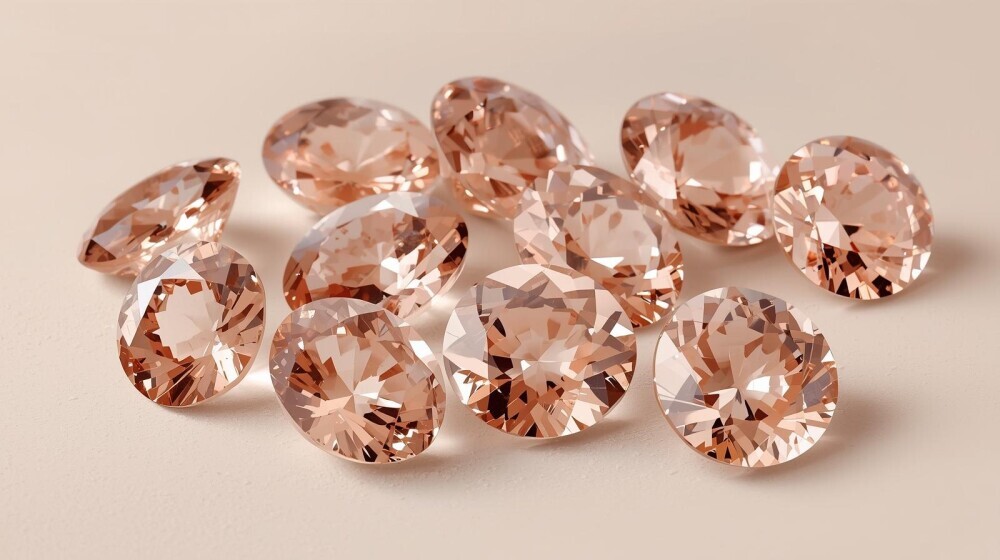
Morganite is the pink to orange-pink variety of beryl. Its peach, salmon, rose and purplish-pink colors make it a popular romantic jewelry choice, often associated symbolically with compassion and new beginnings.
With a Mohs hardness of 7.5 to 8, morganite can suit rings, earrings and pendants, though any gemstone can be damaged by a hard impact. Heat treatment is common and is used to shift orangy material toward pink; reputable sellers should disclose known treatment. See the GIA morganite overview for its color range and properties.
Rhodochrosite
Rhodochrosite is a manganese carbonate mineral that may appear rose pink, vivid red-pink or banded with paler material. In modern crystal folklore it is associated with compassion and emotional openness, but those ideas are not established effects.
Its Mohs hardness is only about 3.5 to 4, so it scratches more readily than the other stones here. Pendants, earrings and protected designs are safer choices than an exposed everyday ring. Keep it away from acids, harsh chemicals and rough handling.
Pink tourmaline
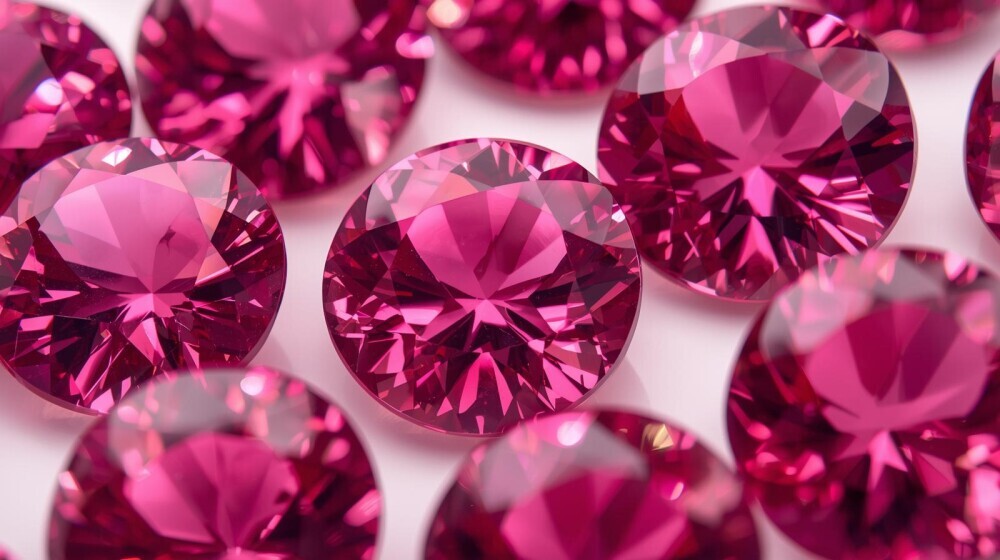
Pink tourmaline ranges from soft blush to intense pink and red-pink. It is commonly associated with affection, friendship and self-love in contemporary gemstone traditions.
At about 7 to 7.5 on the Mohs scale, it can work in many types of jewelry. Heat and irradiation may be used to alter color, and some treated color can be sensitive to heat. Ask for treatment disclosure and follow the seller's care guidance.
Kunzite
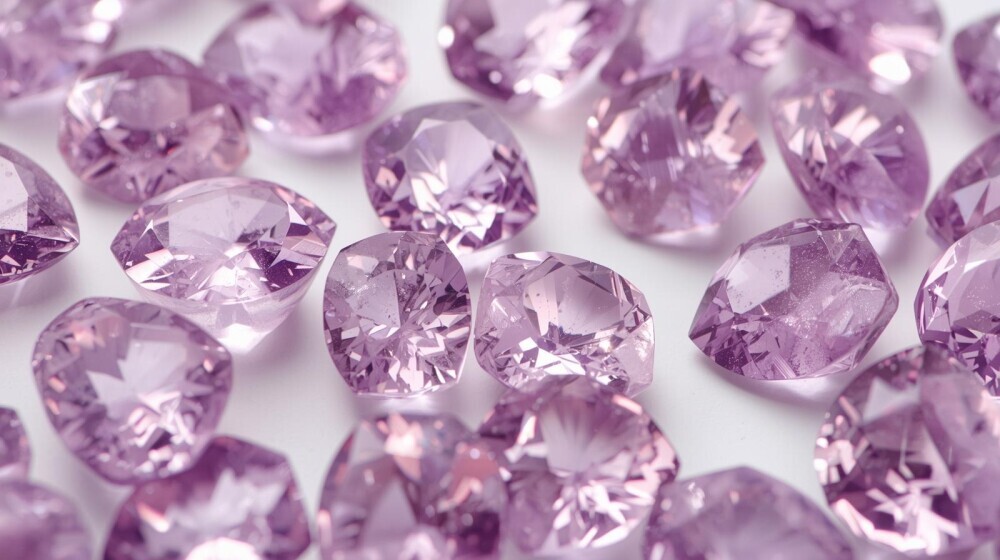
Kunzite is the pink to violetish-purple variety of spodumene. Its pale color is often used to represent gentle romance or openness in symbolic gift giving.
Kunzite measures about 6.5 to 7 on the Mohs scale, but its cleavage makes it vulnerable to sharp impacts. Its color can also fade with prolonged exposure to strong light or heat, whether the color is natural or enhanced. Store it in a closed jewelry box and consider earrings or a pendant for easier care. The GIA kunzite guide explains its color and physical properties.
Rhodonite
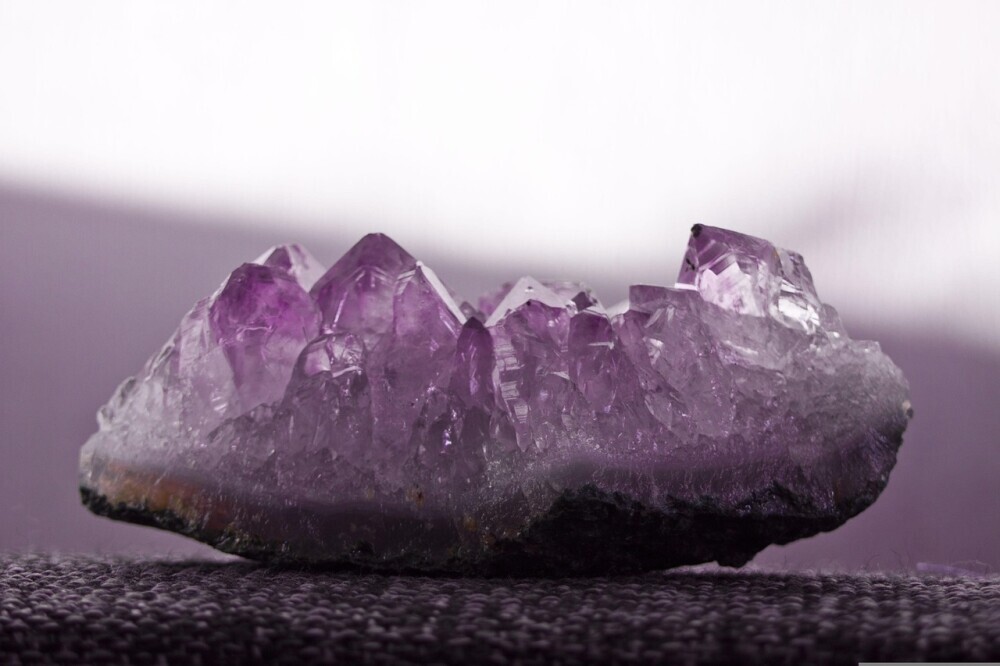
Rhodonite is distinct from rhodochrosite. It is a manganese silicate commonly seen in opaque pink material with dark manganese-oxide veining. It is often shaped into beads, cabochons and carvings and has its own traditional associations with reconciliation and care. As with the other symbolic meanings here, that is cultural belief rather than a proven effect.
Which pink love stone suits the occasion?
Engagement or anniversary jewelry
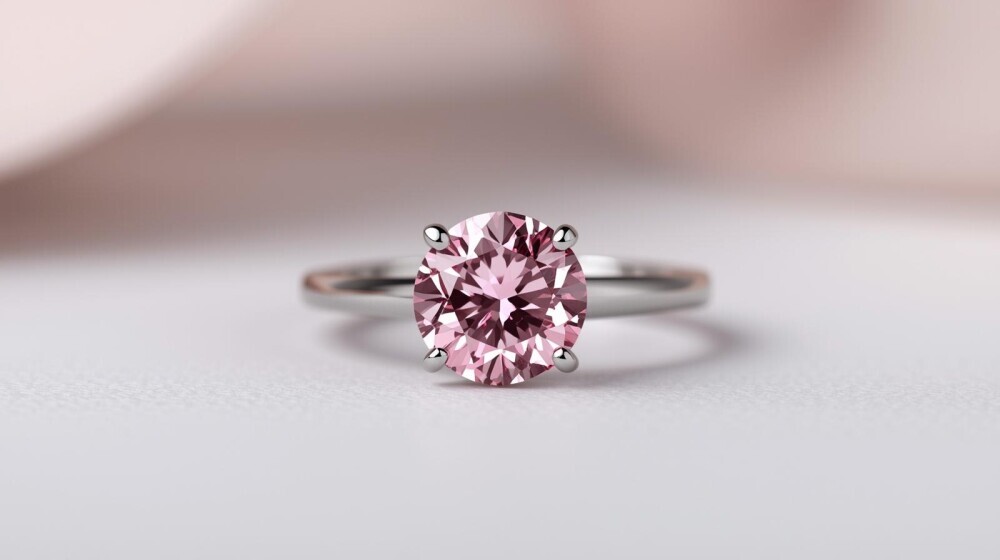
Pink sapphire offers the highest scratch resistance in this group and is well suited to regular ring wear. Morganite and pink tourmaline can also work in rings when the setting protects the stone and the wearer is comfortable with more careful handling. Consider the recipient's taste before treating any traditional meaning as important.
A sentimental gift
Rose quartz, rhodochrosite or rhodonite can carry a personal message without needing to be fine jewelry. A polished stone, pendant or small carved object can mark friendship, family affection or self-kindness. For more recipient-led inspiration, see the guide to pink gifts for different occasions.
Everyday jewelry
Prioritize durability and construction. Pink sapphire is the strongest option here for daily rings. Pink tourmaline, morganite and rose quartz can suit regular jewelry with appropriate settings and care. Reserve softer rhodochrosite and light-sensitive kunzite for protected pieces or occasional wear.
Decorative or spiritual use
Choose the color and object that feel meaningful to you. A symbolic practice can have personal or cultural value without being a scientific treatment. Gemstones should not replace professional medical or mental-health care.
How to buy a pink gemstone responsibly
- Ask whether it is natural or laboratory-grown. Lab-grown stones can have essentially the same mineral composition as their natural counterparts, while imitations are different materials made to resemble them.
- Request treatment disclosure. Heating, irradiation, dyeing, filling and stabilization can affect appearance, value or care. The relevant treatments vary by gem.
- Match durability to the setting. A protected pendant has different demands from an exposed everyday ring.
- Check color stability and cleaning advice. Kunzite needs protection from prolonged strong light; softer or treated gems may need gentler cleaning.
- Use an independent report for a significant purchase. A laboratory report can identify the material, natural or laboratory-grown origin where determinable, and detectable treatments. It is not the same as an appraisal.
- Read the return policy. Gem color can look different under daylight, warm indoor light and screens.
Caring for pink gemstone jewelry
Warm water, mild soap and a soft brush are a conservative starting point for many untreated stones, but follow gem-specific guidance because treatments and settings can change what is safe. Remove jewelry before rough work, exercise, swimming or using household chemicals. Store pieces separately so harder stones do not scratch softer ones.
The meaning is personal
Rose quartz may communicate gentle affection, while pink sapphire may better represent lasting commitment and morganite may suit a modern romantic gift. Rhodochrosite, pink tourmaline and kunzite offer different colors and care needs. None has scientifically proven powers over love or wellbeing, so choose for beauty, durability and the story you want the gift to carry.