Why Is Himalayan Salt Pink?
Himalayan salt stands out instantly with its beautiful shades of pink and soft orange. It’s not just about how it looks on your dining table; each crystal has a story behind it, and people have been curious about that signature rosy color for quite a while. If you’ve ever wondered why Himalayan salt is pink and what makes it different from your average table salt, you’re definitely not alone. I’m breaking it all down so you know exactly why this next-level cool mineral is much more than a trending food accessory.
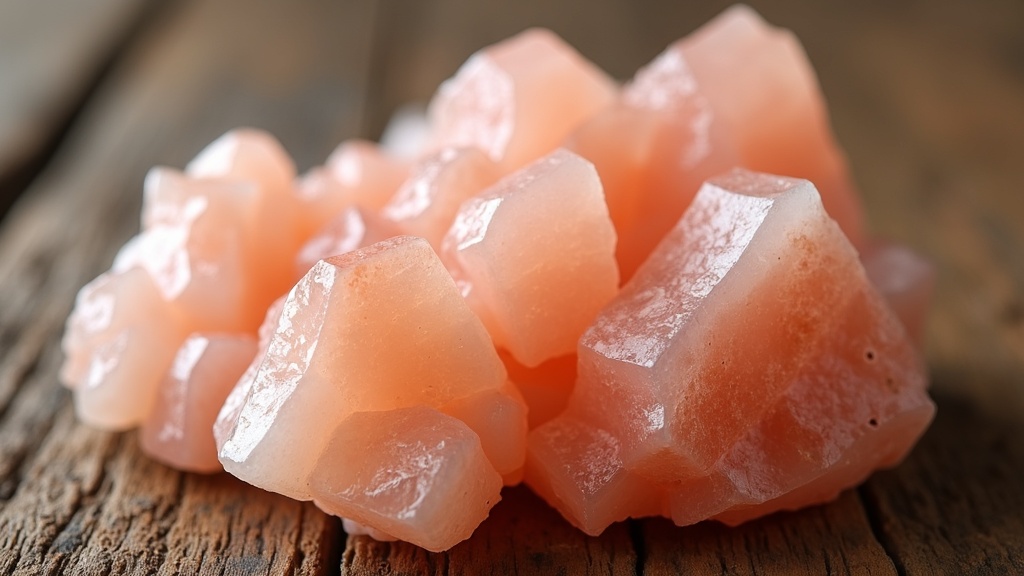
What Is Himalayan Salt and Where Does It Come From?
Himalayan salt comes straight out of ancient sea salt deposits buried deep in the Khewra Salt Mine, nestled in the foothills of Pakistan’s Punjab region. This isn’t salt pulled from modern oceans. It was created over 250 million years ago, when prehistoric seas dried up. Those salt beds became trapped under thick layers of rock and lava, locking in more than just sodium chloride—a whole bunch of other minerals stuck around, too.
The fact that Himalayan salt has been isolated underground for ages shaped both its chemical makeup and look. Many people consider it a “natural” or “pure” salt, partly because it’s mined using hand tools and minimal processing. This local and historical pride is a big reason the salt’s popularity has grown fast worldwide.
Big salt blocks are hewn from the walls and then chiseled into manageable sizes. This gentle processing helps keep most of the minerals and colors untouched, further setting it apart from more processed salts.
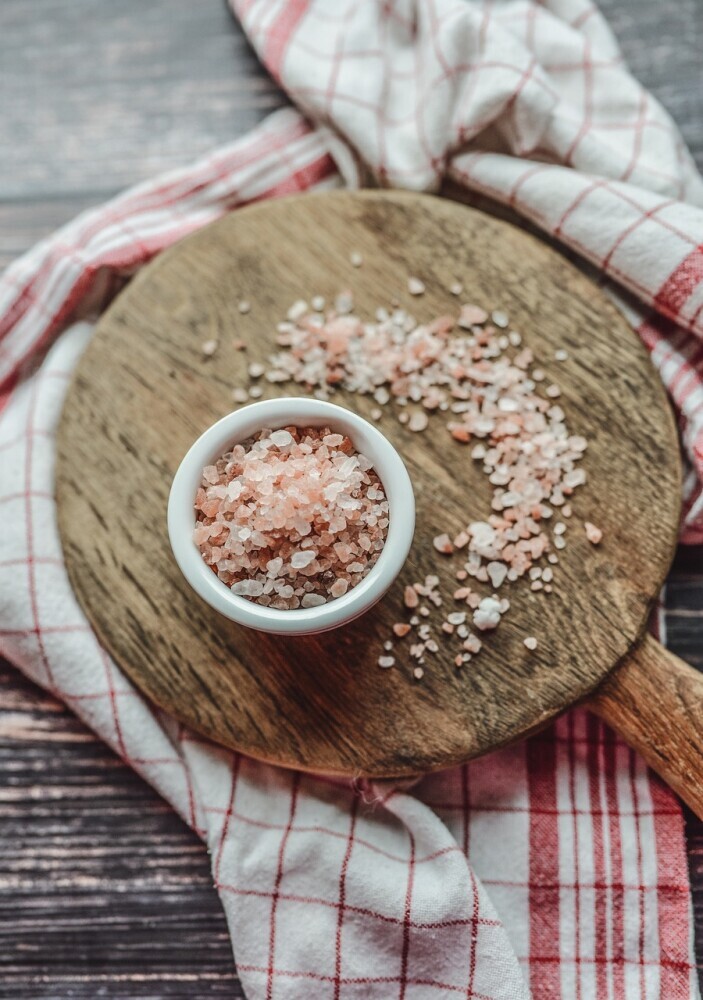
So, Why Is Himalayan Salt Pink?
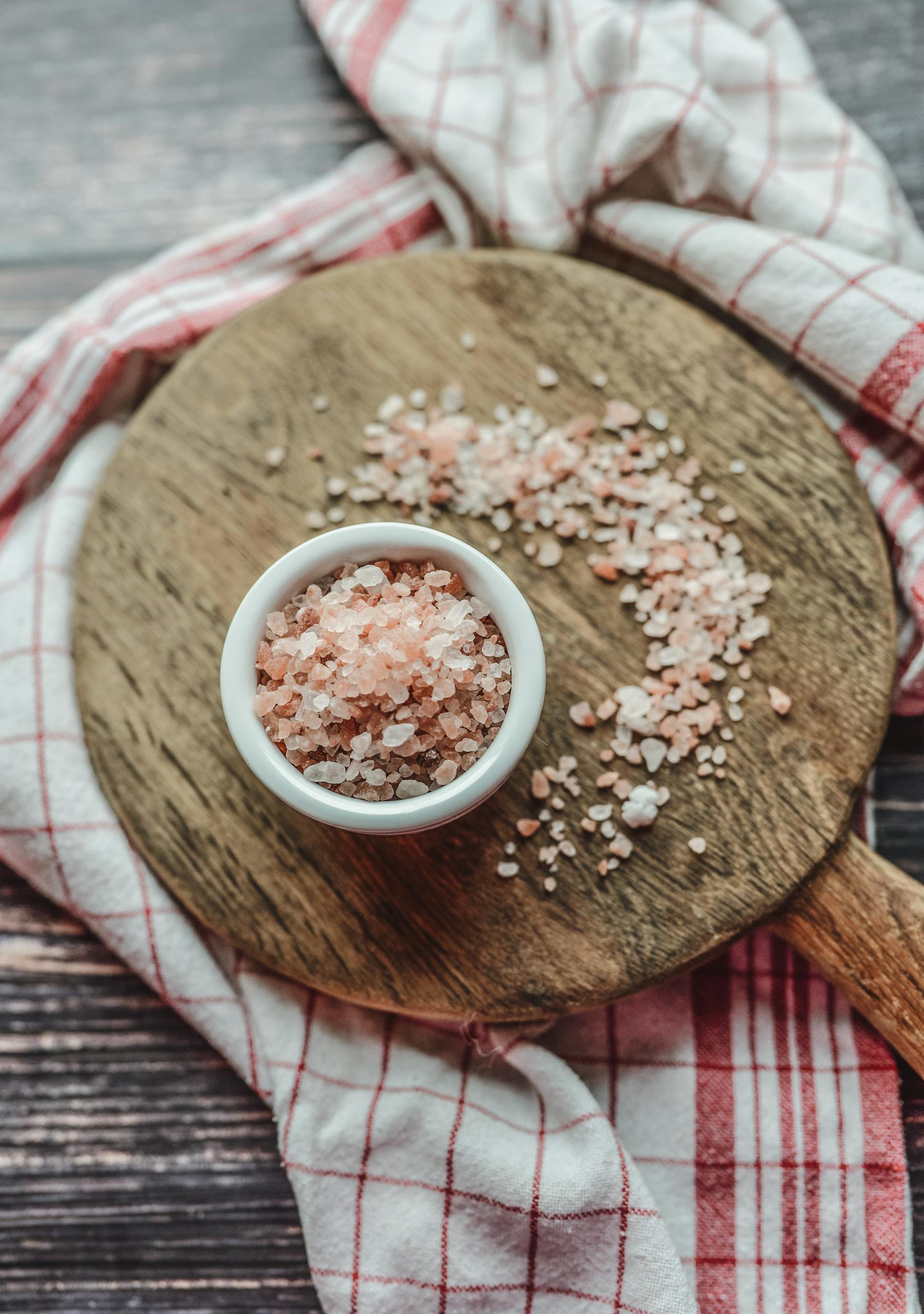
The shades in Himalayan salt crystals—ranging from pale blush to deep salmon—don’t happen by accident.
The main reason is the mix of trace minerals caught inside the salt.
Standard table salt is close to pure white because it’s over 99% sodium chloride; there’s no room for extra minerals to add color. But Himalayan salt is usually between 94–98% sodium chloride. The other few percent are made up of dozens of elements like iron, potassium, magnesium, and calcium.
Here’s what makes it eye-catching: even tiny bits of iron oxide (think natural rust) are the main reason Himalayan salt is pink. When salt crystals form around iron, you get that signature pop of rosy color. Higher iron levels make it look deeper pink or even reddish, while other minerals tweak the shades further. So if you see different bags of Himalayan salt with lighter and darker hues, that’s just the mineral content changing from one lot to another.
- Iron Oxide: This gives the salt its pinkish-red tint and is the biggest cause of its color.
- Magnesium and Potassium: These minerals can nudge the color slightly towards orange and add subtle flavors.
- Calcium: Sometimes responsible for lighter tones and milky striations within the crystals.
Because every chunk comes from a unique layer of the mine, no two crystals look exactly the same—in fact, this variation is part of the appeal for chefs and home cooks alike.
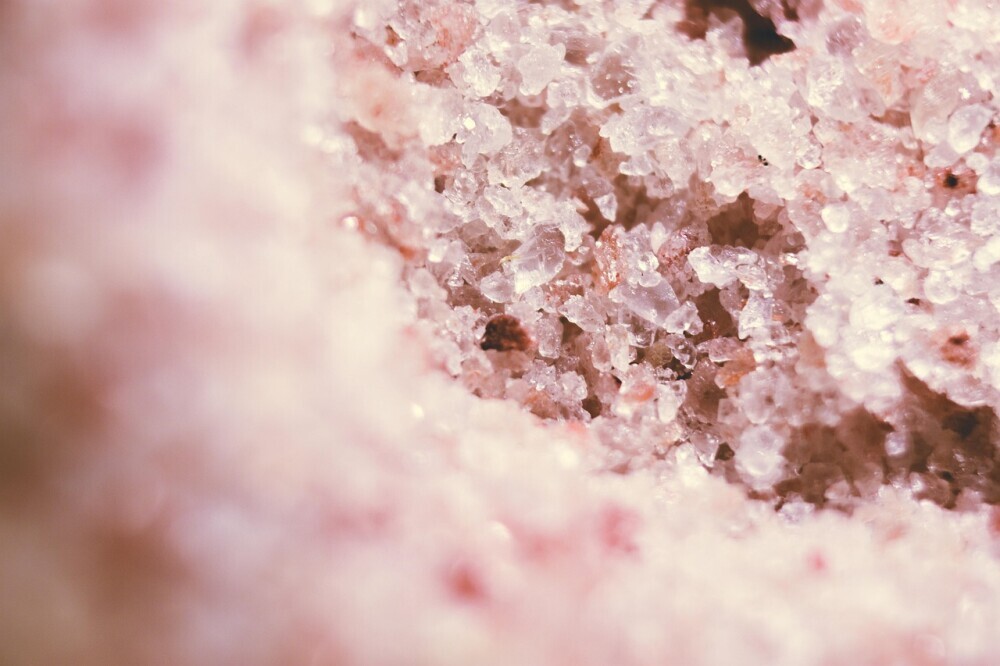
Comparing Himalayan Salt to Other Salts
It’s easy to spot Himalayan salt, but setting it next to table, sea, or kosher salt reveals more differences than just color. Himalayan salt has a whole mix of minerals which give it a subtle earthy flavor; it’s not a marketing ploy, but a direct result of what’s inside.
Table salt is heavily processed and often contains anti-caking agents and added iodine. Himalayan salt, in contrast, is usually left in its natural state—with only washing and grinding done before it’s packed. Sea salt is another almost-natural option, but since it’s made from evaporated seawater, its minerals (and colors) depend on local geography. Some sea salts can have grayish or pinkish colors, but the pink in Himalayan salt is hard to match.
Texture is another difference worth noting.
Himalayan salt often comes in larger crystals, which can give a nice crunch or burst of flavor as a finishing touch. Table salt’s fine grains tend to dissolve fast, making it ideal for baking and general seasoning, while the coarse crystals of Himalayan salt stand out both visually and texturally. If appearance and mouthfeel are important to your dish, switching things up by using pink salt might be just what you need.
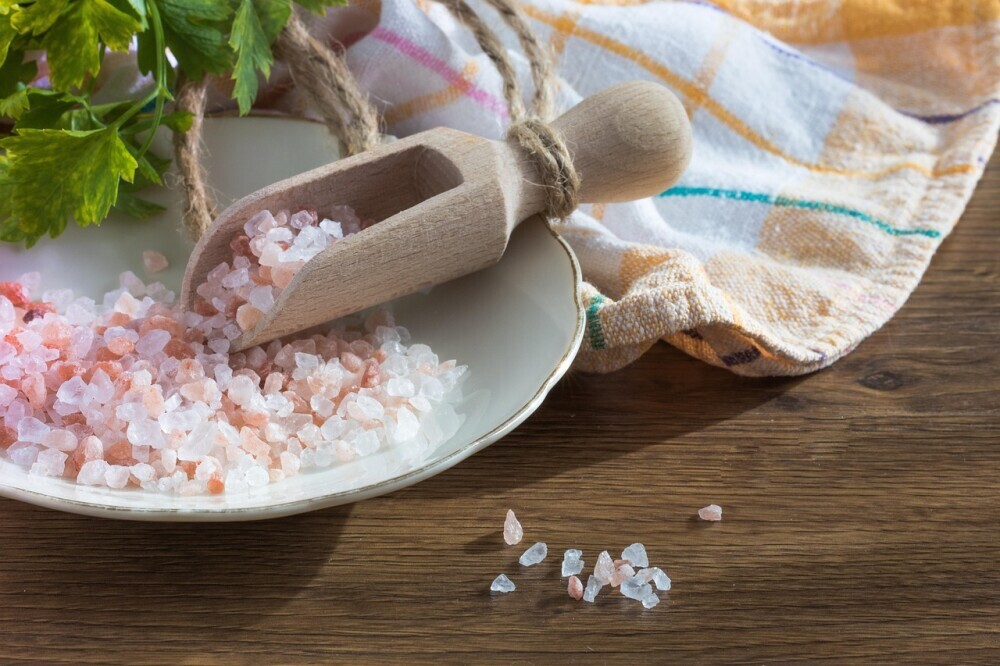
The Benefits and Uses of Himalayan Salt
People use Himalayan salt for more than just seasoning steaks or roasted veggies. The mineral content has inspired all kinds of supposed health perks and many non-food uses, too. Some of these claims get a little over the top, so here’s what’s truly worth knowing:
- In the Kitchen: The chunky crystals are perfect for finishing dishes, offering a pleasant crunch and a gentle mineral note that’s nice on foods like grilled veggies, eggs, or even chocolate treats.
- Salt Blocks for Cooking: Solid blocks of Himalayan salt can be used to grill or chill food. They hold steady temperatures and add just a hint of saltiness, making them a favorite for chefs who like a little showmanship.
- Baths and Spa Treatments: Some folks dissolve Himalayan salt in their bath to soothe skin and ease tired muscles. While the science is mixed, plenty swear by the relaxing feeling these soaks offer.
- Décor and Lamps: Pink salt lamps are super popular for their warm, cozy glow and are rumored to purify air. While no solid evidence proves major benefits, their appeal as eye-catching decor is hard to deny.
Keep in mind, though, that while trace minerals exist, they’re there in extremely small amounts. Eating Himalayan salt won’t replace the need for iron or magnesium in your diet, but it does provide a fun, flavorful sprinkle and a bit of next-level cool factor.
Common Questions About Himalayan Salt
Buzz around Himalayan salt means questions are always circulating. Here are the ones I get most, with down-to-earth answers you can trust.
Question: Does pink salt taste different from regular table salt?
Answer: The core salty flavor stays front and center, but Himalayan salt sometimes brings a milder, earthy aftertaste. Those extra minerals can give food a subtle twist, especially with bigger crystals.
Question: Is Himalayan salt healthier for you?
Answer: Those added minerals exist, but in tiny amounts. Himalayan salt won’t revolutionize your health. Its main perks are simplicity, natural look, and the lack of artificial additives, which some people appreciate.
Question: Can you use Himalayan salt for all kinds of cooking?
Answer: For sure. Treat it as you would table salt—baking, grilling, roasting, or as a finishing sprinkle. Coarse Himalayan salt is a real standout for dishes where you want visual pop and crunch.
Question: Are there any risks or things to watch out for with Himalayan salt?
Answer: Just like any salt, don’t go overboard. Too much can still raise blood pressure and cause health problems. Himalayan salt doesn’t have added iodine, so you’ll need to get that mineral from other foods if this is your main salt choice.
Things to Keep in Mind Before Switching to Himalayan Salt
Thinking about swapping out your regular salt or just eager to try something new? Here’s what’s good to remember:
- Cost: Himalayan salt generally costs more than regular or even other sea salts, mainly because it’s hand-mined and shipped from Pakistan.
- Iodine Content: There’s almost no iodine added to Himalayan salt. If you count on salt for your iodine intake, check with your doctor and consider other iodine-rich foods.
- Texture and Grinding: Himalayan salt usually comes in big crystals or blocks, so a grinder might be necessary for everyday seasoning. Choose the right grain size for your shaker or mill to avoid clogs or over-seasoning.
Quality and Sourcing
Not all “Himalayan” salts are made equal. Authentic Himalayan salt comes from the Khewra mine or close-by sources in Pakistan. Some knockoff varieties show up in stores—these aren’t dangerous but may lack the mineral range or signature pink hue. Picking a brand that states its sourcing clearly helps you know what you’re truly getting.
Environmental Impact
Even traditional salt mining has an effect on nature. Fortunately, hand-harvested Himalayan salt methods are gentler than large-scale industrial mining, but it’s still worth considering the distance this tasty mineral travels to reach your table.
Extra Tidbits: Fun Facts About Pink Salt
- Himalayan salt has been in use since the time of Alexander the Great, who is said to have stumbled upon these vast salt deposits during his campaigns.
- Some Himalayan salt crystals will glow under UV light thanks to their unique mineral content. This is a neat party trick and highlights the salt’s natural character.
- Salt therapy or halotherapy involves sitting in rooms lined with pink salt to possibly help with breathing and allergies, though supporting evidence is still pretty limited.
The reason Himalayan salt glows with those beautiful pink and orange tones isn’t about artificial dyes or marketing.
It’s grounded in ancient geology and natural chemistry, mainly the iron oxide that has colored these crystals for millions of years.
Beyond turning heads with its looks, Himalayan salt brings a rich history, a light mineral flavor, and a memorable dash of color to meals and spaces alike. For plenty of people, that’s a fantastic reason to keep a jar of these vivid crystals around for when you want to make your cooking—and your kitchen—a bit more eye-catching.